A little sparkle. Endless possibilities.
A little sparkle. Endless possibilities.

Holographic Glitter
Explore holographic glitter in a range of colors and particle forms, including selected flakes and shaped pieces. Check product photos and details for the exact finish, size, and package.

0.2mm Hexagon Shapes Laser Red Gold Glitter LB0200
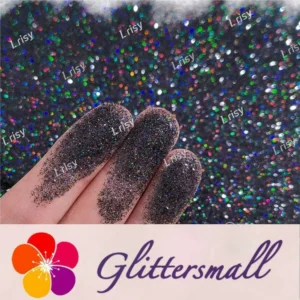
Price range: ¥3.99 through ¥45.99Select options This product has multiple variants. The options may be chosen on the product page0.2mm Holographic Black Extra Fine Glitter (Ultra-thin) LB01000
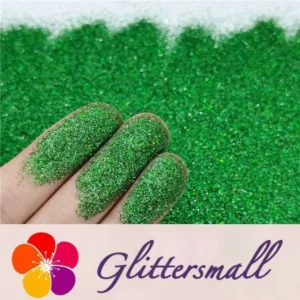
Price range: ¥2.99 through ¥27.99Select options This product has multiple variants. The options may be chosen on the product page0.2mm Holographic Dark Green Extra Fine Glitter (Ultra-thin) LB0600
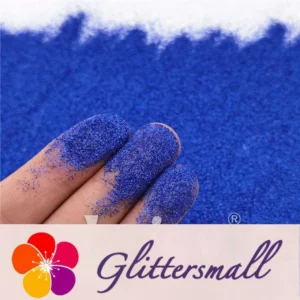
Price range: ¥2.99 through ¥45.99Select options This product has multiple variants. The options may be chosen on the product page0.2mm Holographic Deep Blue Extra Fine Glitter (Ultra-thin) LB0705
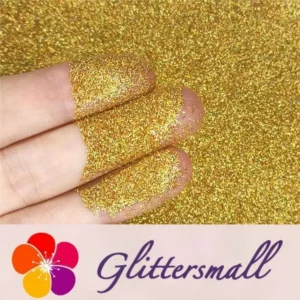
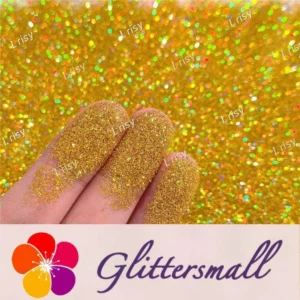
Price range: ¥2.99 through ¥45.99Select options This product has multiple variants. The options may be chosen on the product page0.2mm Holographic Gold Extra Fine Glitter (Ultra-thin) LB0210
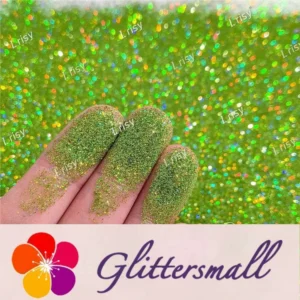
Price range: ¥2.99 through ¥45.99Select options This product has multiple variants. The options may be chosen on the product page0.2mm Holographic Green Extra Fine Glitter (Ultra-thin) LB0601
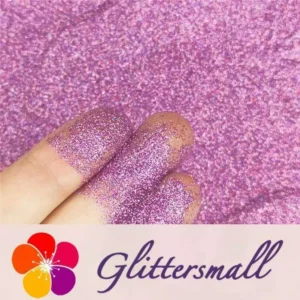
Price range: ¥2.99 through ¥45.99Select options This product has multiple variants. The options may be chosen on the product page0.2mm Holographic Hazy Pink Extra Fine Glitter (Ultra-thin) LB0911
Price range: ¥2.99 through ¥45.99Select options This product has multiple variants. The options may be chosen on the product page0.2mm Holographic Lake Blue Fine Glitter LB0701
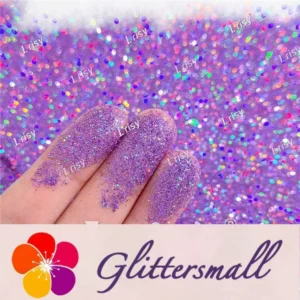
Price range: ¥2.99 through ¥45.99Select options This product has multiple variants. The options may be chosen on the product page0.2mm Holographic Light Purple Extra Fine Glitter (Ultra-thin) LB0802
Price range: ¥2.99 through ¥45.99Select options This product has multiple variants. The options may be chosen on the product page0.2mm Holographic Pigment Rose Red Glitter Cosmetic Grade SLG016-N
Price range: ¥3.99 through ¥89.99Select options This product has multiple variants. The options may be chosen on the product page0.2mm Holographic Pink Extra Fine Glitter (Ultra-thin) LB0901
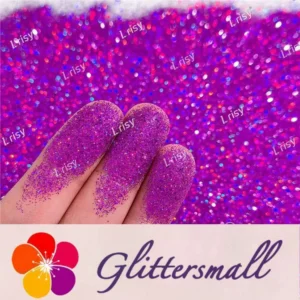
Price range: ¥2.99 through ¥45.99Select options This product has multiple variants. The options may be chosen on the product page0.2mm Holographic Purple Extra Fine Glitter (Ultra-thin) LB0800
Price range: ¥2.99 through ¥45.99Select options This product has multiple variants. The options may be chosen on the product page0.2mm Holographic Red Bronze Extra Fine Glitter (Ultra-thin) LB0401
Price range: ¥2.99 through ¥45.99Select options This product has multiple variants. The options may be chosen on the product page0.2mm Holographic Red Extra Fine Glitter (Ultra-thin) LB0300
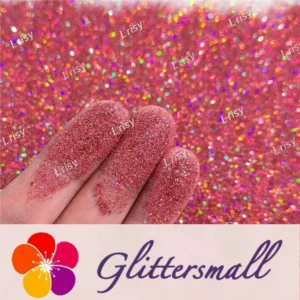
Price range: ¥2.99 through ¥45.99Select options This product has multiple variants. The options may be chosen on the product page0.2mm Holographic Rose Red Extra Fine Glitter (Ultra-thin) LB0912
Price range: ¥2.99 through ¥45.99Select options This product has multiple variants. The options may be chosen on the product page0.2mm Holographic Sea Blue Extra Fine Glitter (Ultra-thin) LB0709
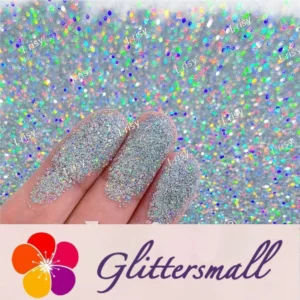
Price range: ¥2.99 through ¥45.99Select options This product has multiple variants. The options may be chosen on the product page0.2mm Holographic Silver Extra Fine Glitter (Ultra-thin) LB0100
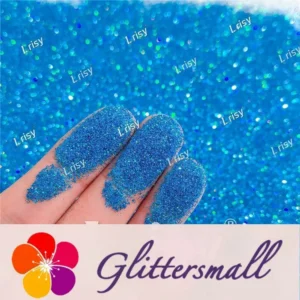
Price range: ¥2.99 through ¥45.99Select options This product has multiple variants. The options may be chosen on the product page0.2mm Holographic Sky Blue Extra Fine Glitter (Ultra-thin) LB0700
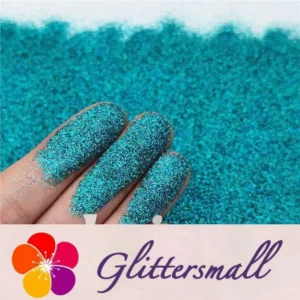
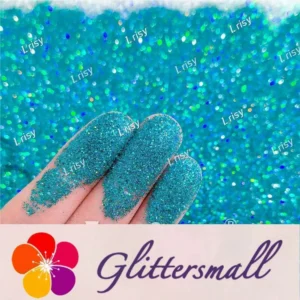
Price range: ¥2.99 through ¥45.99Select options This product has multiple variants. The options may be chosen on the product page0.2mm Holographic Teal Green Extra Fine Glitter (Ultra-thin) LB0702
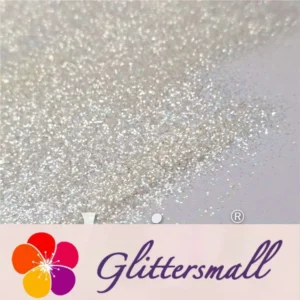
Price range: ¥2.99 through ¥27.99Select options This product has multiple variants. The options may be chosen on the product page0.4mm Translucent Holographic White Glitter HL01
Price range: ¥2.99 through ¥63.99Select options This product has multiple variants. The options may be chosen on the product page
How to compare holographic glitter products
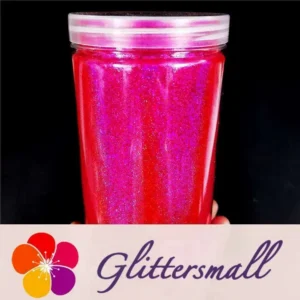
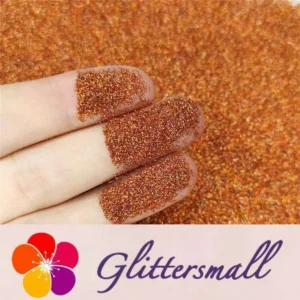
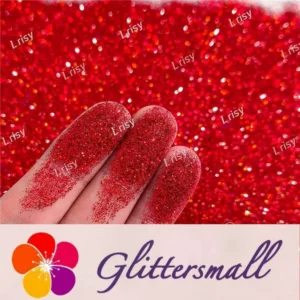
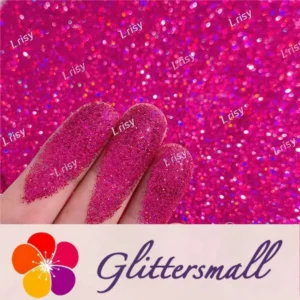
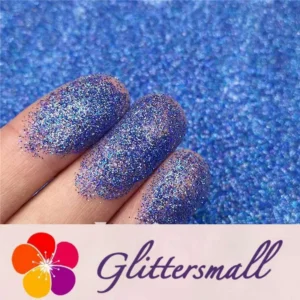
Holographic listings in this collection include fine particles, colored hexagons, pigment-style items, and flakes. The finish can look different across colors and particle forms, so inspect the product image and the item description together. Use the dimensions stated for each item when particle size matters.
For a different reflective effect, compare iridescent glitter. To focus on larger flake shapes, browse glitter shards; for small particles, see extra fine glitter.
Related collections: Iridescent Glitter · Shard Glitter · Extra Fine Glitter.