A little sparkle. Endless possibilities.
A little sparkle. Endless possibilities.

Mixed Glitter
Explore ready-made glitter mixes in combinations that vary by product. Check each listing for the included colors, particle forms, and package size; see Custom Mixed Glitter for separately listed custom-mix styles.

(By Lily) Custom Mixed Glitter LRM01
Price range: ¥2.99 through ¥67.99Select options This product has multiple variants. The options may be chosen on the product page(By Lily) Custom Mixed Glitter LRM02
Price range: ¥2.99 through ¥67.99Select options This product has multiple variants. The options may be chosen on the product page(By Lily) Custom Mixed Glitter LRM03
Price range: ¥2.99 through ¥67.99Select options This product has multiple variants. The options may be chosen on the product page(By Lily) Custom Mixed Glitter LRM04
Price range: ¥2.99 through ¥67.99Select options This product has multiple variants. The options may be chosen on the product page(By Lily) Custom Mixed Glitter LRM05
Price range: ¥2.99 through ¥67.99Select options This product has multiple variants. The options may be chosen on the product page(By Lily) Custom Mixed Glitter LRM06
Price range: ¥2.99 through ¥67.99Select options This product has multiple variants. The options may be chosen on the product page(By Lily) Custom Mixed Glitter LRM07
Price range: ¥2.99 through ¥67.99Select options This product has multiple variants. The options may be chosen on the product page(By Lily) Custom Mixed Glitter LRM08
Price range: ¥2.99 through ¥67.99Select options This product has multiple variants. The options may be chosen on the product page(By Lily) Custom Mixed Glitter LRM09
Price range: ¥2.99 through ¥67.99Select options This product has multiple variants. The options may be chosen on the product page(By Lily) Custom Mixed Glitter LRM10
Price range: ¥2.99 through ¥67.99Select options This product has multiple variants. The options may be chosen on the product page(By ScorpioGemsByRivers) Custom Mixed Glitter WAL901
Price range: ¥2.99 through ¥67.99Select options This product has multiple variants. The options may be chosen on the product page(By ScorpioGemsByRivers) Custom Mixed Glitter WAL902
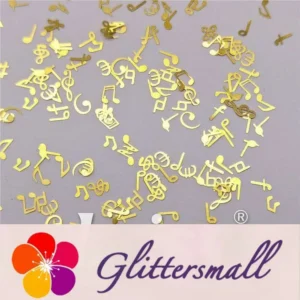
Price range: ¥2.99 through ¥67.99Select options This product has multiple variants. The options may be chosen on the product page10 Notes Shaped Golden Mixed Metal Glitter MC204
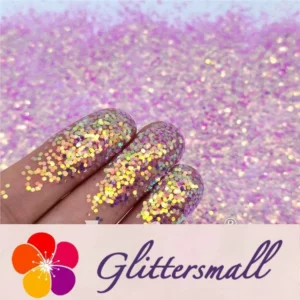
¥4.99Select options This product has multiple variants. The options may be chosen on the product page1mm Rose Pink High Brightness Iridescent Glitter FC339A
Price range: ¥2.99 through ¥63.99Select options This product has multiple variants. The options may be chosen on the product pageAngel Tears (By Resin.Sweetshop) Custom Mixed Glitter WAL912
Price range: ¥2.99 through ¥67.99Select options This product has multiple variants. The options may be chosen on the product pageBella Rainbow (By Jilllovesbellaresin) Custom Mixed Glitter WAL909
Price range: ¥2.99 through ¥67.99Select options This product has multiple variants. The options may be chosen on the product pageBright Purple Galaxy (By Morgentau.JS) Custom Mixed Glitter WAL908
Price range: ¥2.99 through ¥67.99Select options This product has multiple variants. The options may be chosen on the product pageCelestial Bodies (By Minervam00n) Custom Mixed Glitter WAL206
Price range: ¥2.99 through ¥67.99Select options This product has multiple variants. The options may be chosen on the product pageCustom Mixed (By ins:dragonsoulresin) DragonSoul Passion DSR001
Price range: ¥4.99 through ¥75.98Select options This product has multiple variants. The options may be chosen on the product pageCustom Mixed Galaxy Iridescent Glitter YH02 (By Chris.e KC)
Price range: ¥3.99 through ¥109.99Select options This product has multiple variants. The options may be chosen on the product page