

Shop by Effect & Material
Shop glitter by effect and material to compare holographic, iridescent, fluorescent, glow, biodegradable, solvent-resistant and other specialty finishes. The best option depends on the base material, lighting, particle size and intended application. Review individual product details for color shift, transparency, cut, compatibility and available pack sizes before ordering. This collection helps buyers narrow products by performance and visual behavior rather than color or shape alone. When comparing shop by effect & material products, also review order quantity, available weights and product photography so the selected option matches the required scale, coverage and visual result.

Biodegradable Glitter (8)
Fairy Light Glitter (17)
Fluorescent Iridescent Glitter (10)
Glaze Glitter (6)
Holographic Fluorescent Glitter (11)
Holographic Glitter (41)
Iridescent Glitter (71)
Iridescent Shift Glitter (12)
Noctilucent Glitter (8)
Solvent Resistant Glitter (41)
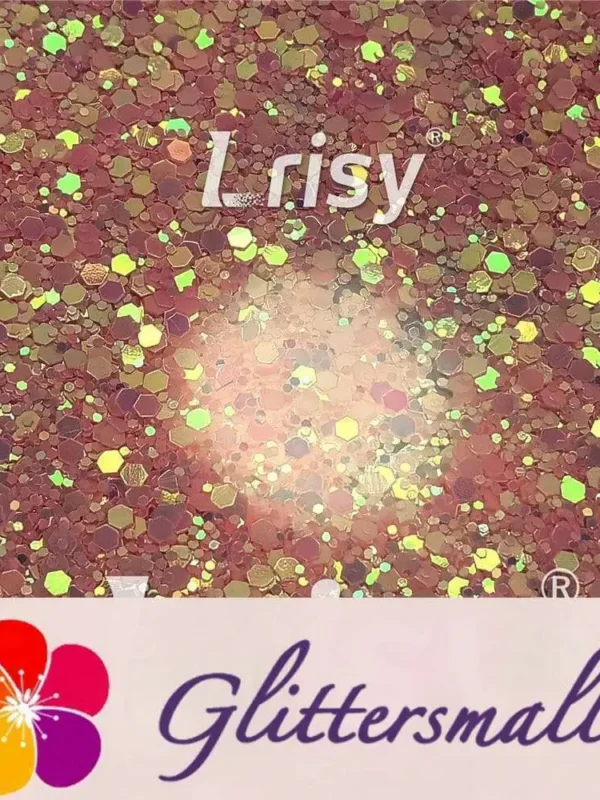
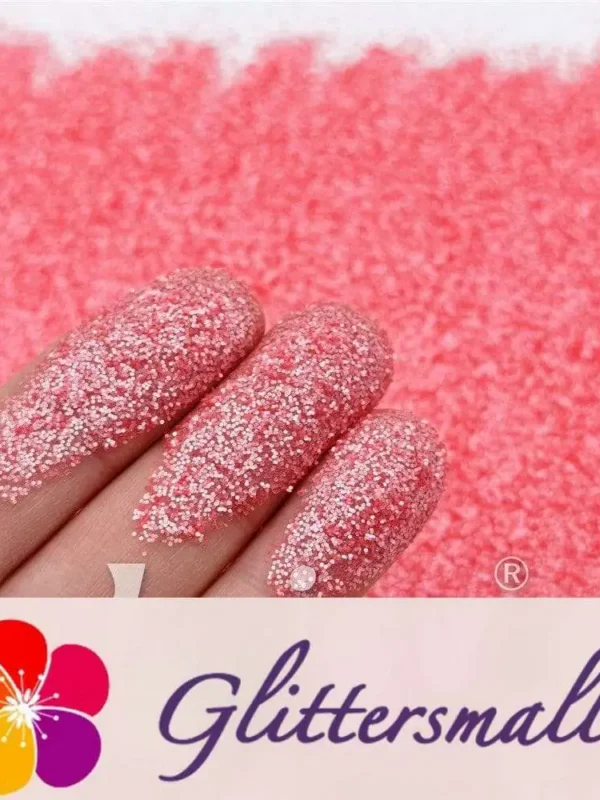
Category Overview
Effect and material categories group glitter by how it reflects light or performs in a process, including holographic, iridescent, fluorescent, glow, biodegradable and solvent-resistant options.
This page combines the product grid with practical buying guidance so you can compare relevant specifications before opening individual listings. Product availability, weights and variations can change, so use each product page as the final source for the selected option.
Applications and Best Uses
Shop by Effect & Material can support several project types when the individual product details match the intended process:
- High-reflection designs that depend on direct lighting.
- Transparent resin layers that reveal iridescent or color-shift effects.
- Paint and coating projects that require compatible glitter material.
- Specialty craft and decorative work using glow, fluorescent or biodegradable selections.
An optical effect does not establish cosmetic grade, solvent resistance or biodegradability. Use the product’s explicit material and application information for those decisions.
How to Choose
Use the following checks to narrow the collection efficiently:
- Start with the required optical effect, then compare material, cut and particle size.
- Check transparency when the base color must remain visible.
- Confirm solvent resistance for paint, coating or other chemical exposure.
- Review the product’s stated use rather than treating effect names as safety or compatibility claims.
Before a larger order, compare the selected variation, pack weight, product photography and stated application. A small test is useful whenever color, texture, equipment compatibility or final surface level is critical.
For repeat orders, save the product name, SKU, selected variation and project notes. This makes it easier to reproduce a result and identify whether a different size, finish or concentration would improve the next batch.
Product Comparison
| Type | Best For | Pros | Cons |
|---|---|---|---|
| Holographic | Strong rainbow reflection | High visual impact | Best response needs direct light |
| Iridescent | Soft shifting color | Works well in transparent layers | Depends strongly on base color |
| Fluorescent | Bright color-focused effects | Noticeable saturated appearance | Not the same as glow in the dark |
| Solvent resistant | Paint and coating processes | Better compatibility where specified | Must still be tested in the actual system |
Buyer FAQ
What should I check first when choosing shop by effect & material?
Start with the intended application, then confirm particle size or finished dimensions, material, color, effect and the selected pack option. The category helps narrow products, but the individual listing contains the details for the exact variation you order.
Can every product in shop by effect & material be used for cosmetics, paint or resin?
No. Category placement does not establish universal compatibility. Look for explicit cosmetic-grade, solvent-resistant or application-specific wording on the individual product page, and test the product with the actual base material when compatibility matters.
Why can the product look different from the photos?
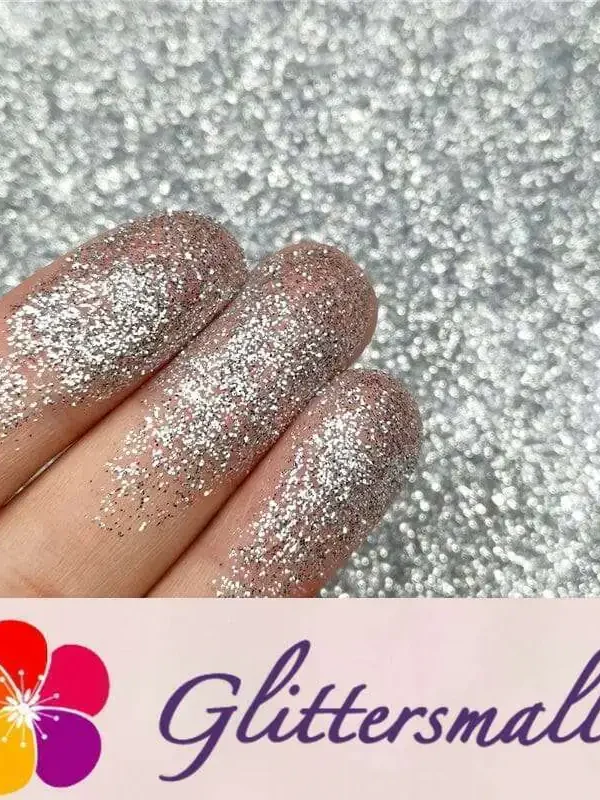
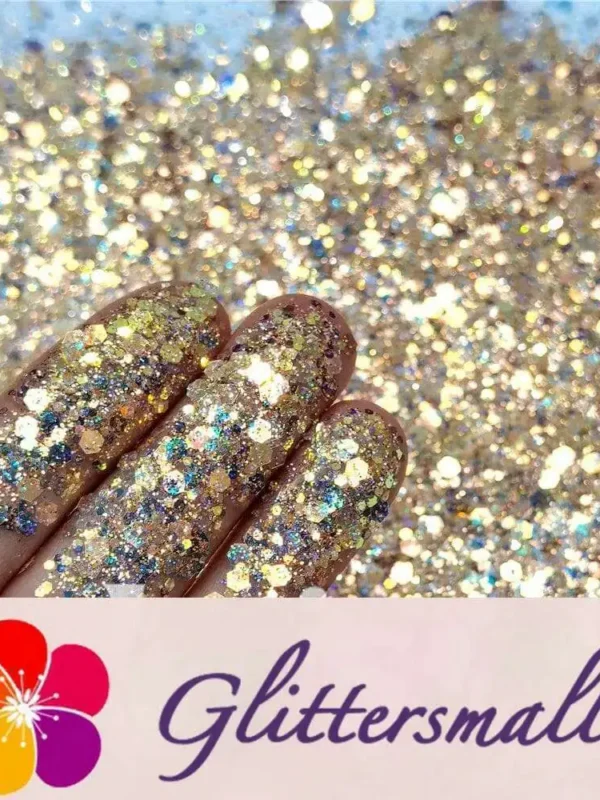
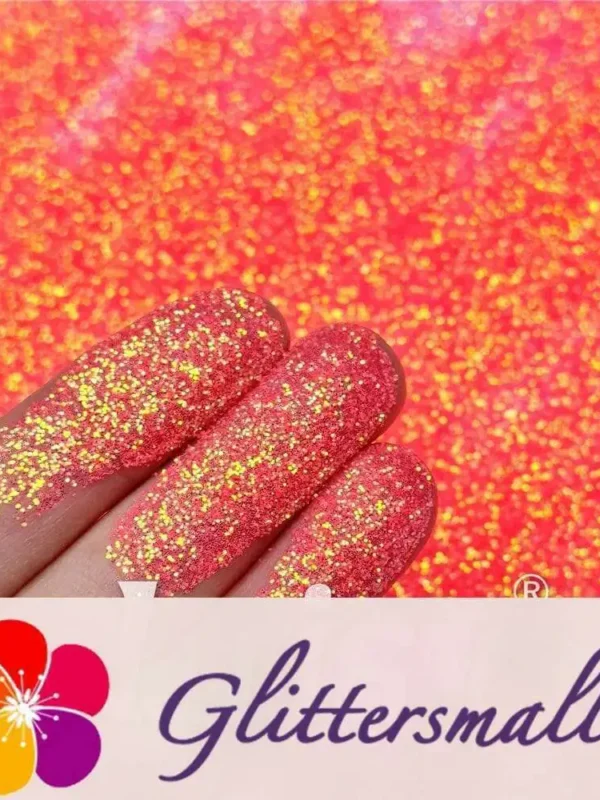
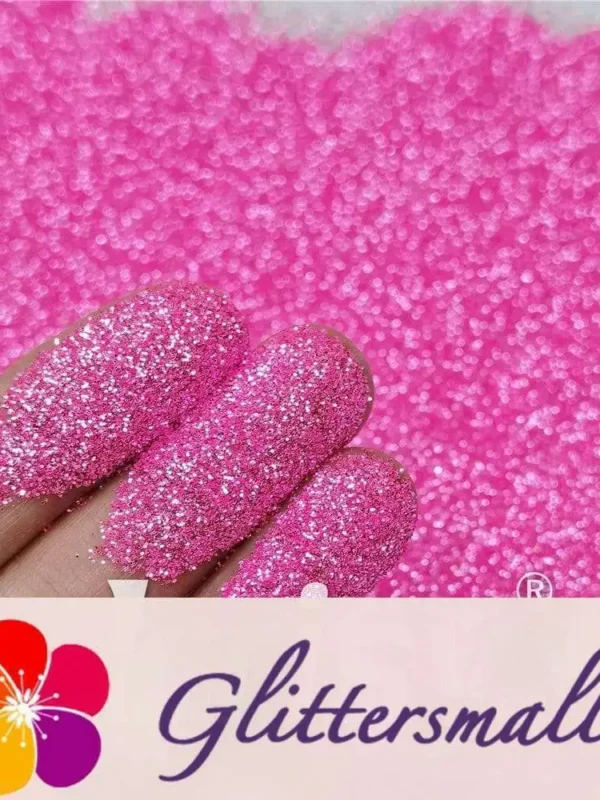
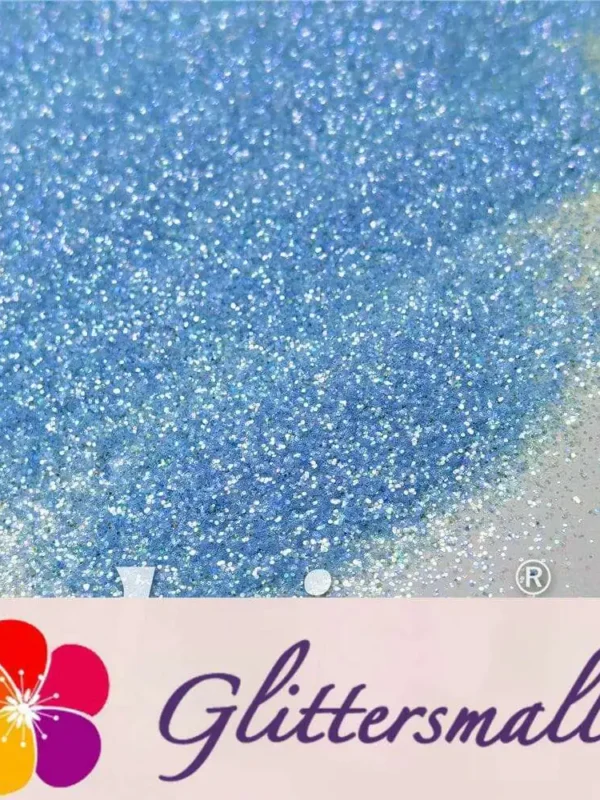
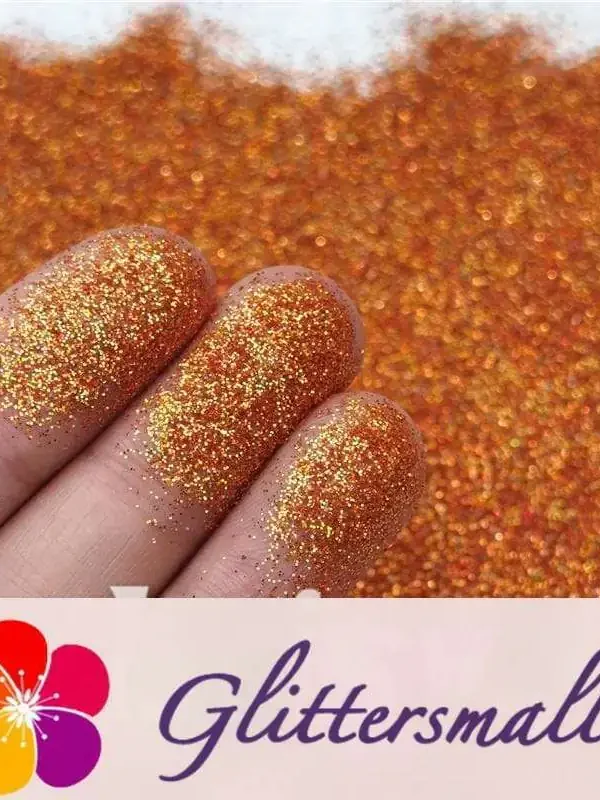
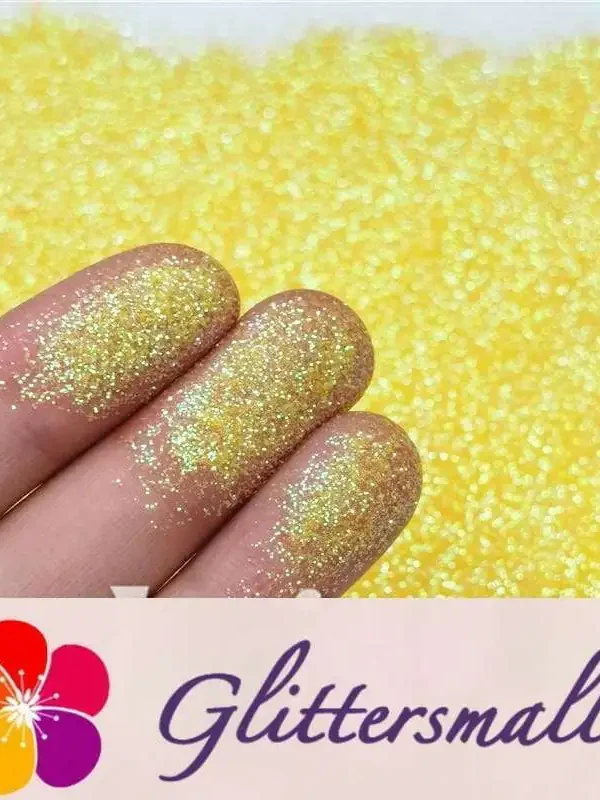
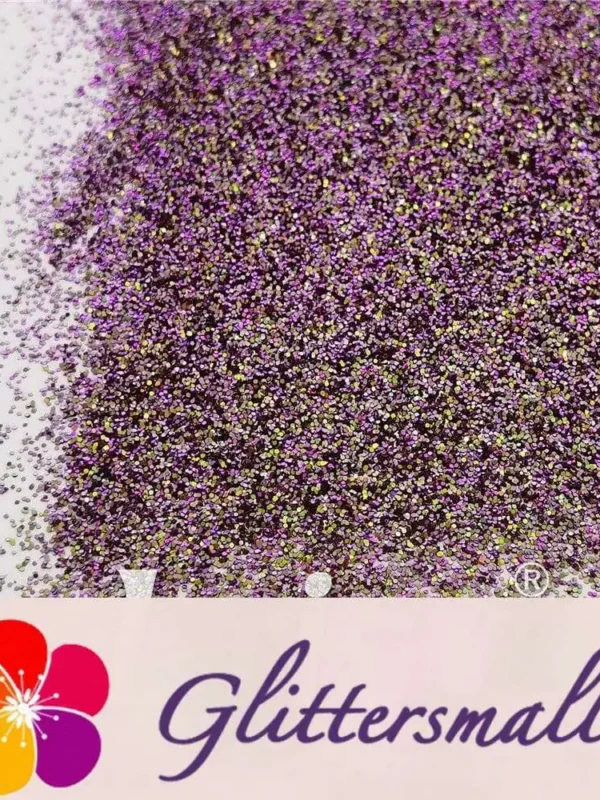
Glitter, mica and transparent resin effects respond to lighting, viewing angle, concentration and background color. Screen settings can also change perceived color. Review multiple images where available and test a small amount over the intended base for a precise visual decision.
How do I estimate the quantity to order?
Use the project surface area or mold volume, the desired coverage and the product’s selected weight as starting points. Fine particles usually spread more densely, while chunky pieces and larger molds may require more material. Order a consistent batch for projects that must match.