

Fine Glitter
Shop fine glitter selected from products with explicit particle-size information. Fine particles support smooth, even coverage and detailed work. Compare the listed millimeter size with shape, material, transparency and finish before ordering, because two products in the same size group can behave differently. Use the product details to confirm suitability for nails, cosmetics, resin, tumblers, crafts, paint or other applications, and test a small amount when coverage or texture is critical. When comparing fine glitter products, also review order quantity, available weights and product photography so the selected option matches the required scale, coverage and visual result.
Showing 1–24 of 116 results

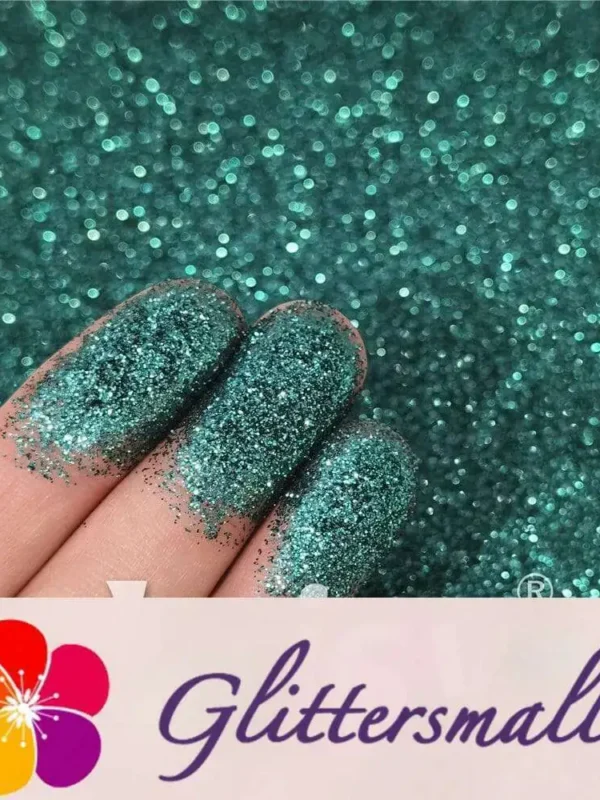
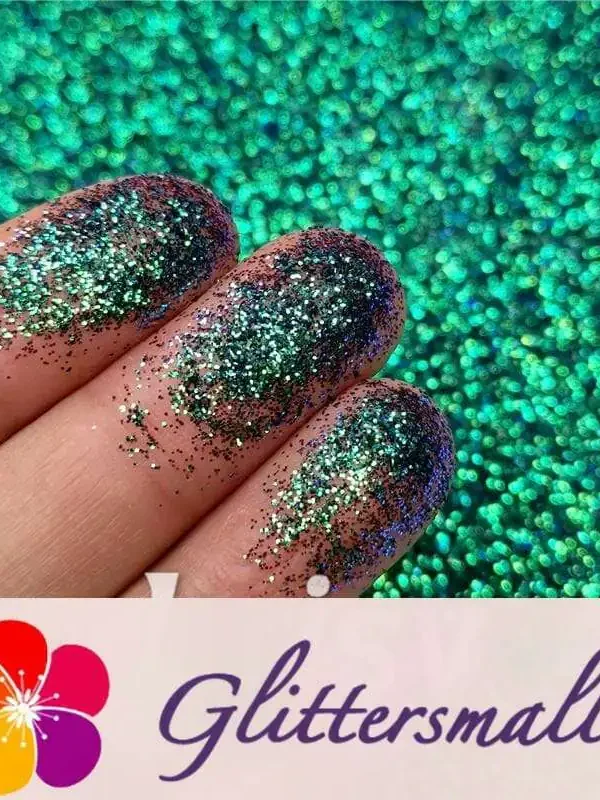
0.2mm Atroviren Green Professional Cosmetic Glitter For Lip Gloss, Lipstick FCH700
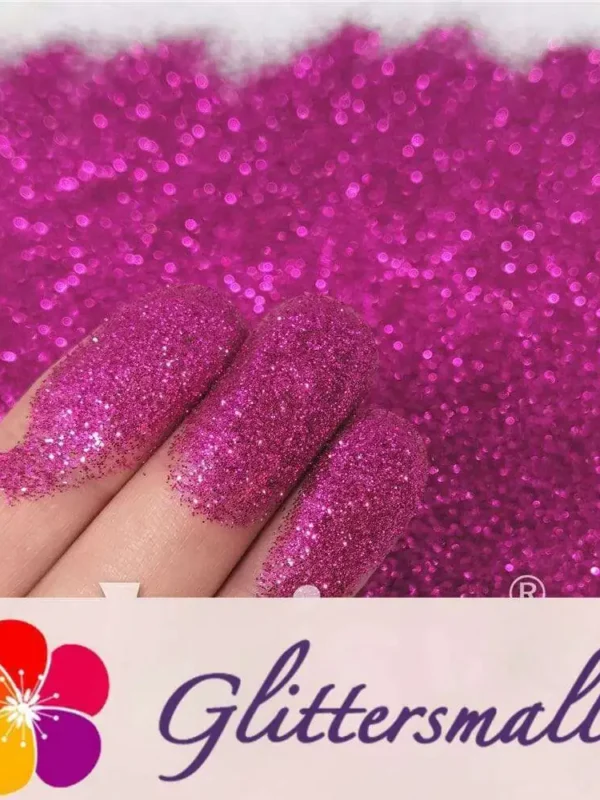
Price range: $3.99 through $89.99Select options This product has multiple variants. The options may be chosen on the product page0.2mm Berry Red Glitter Pure Color B0903
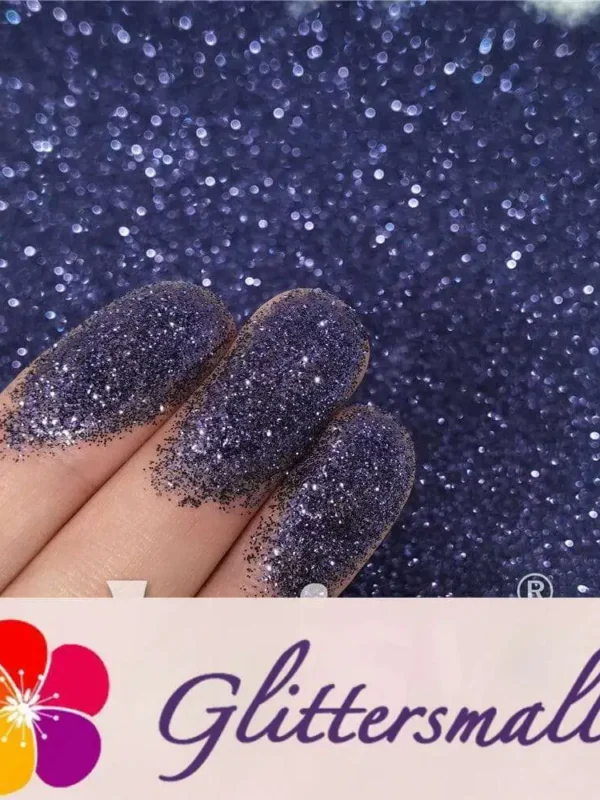
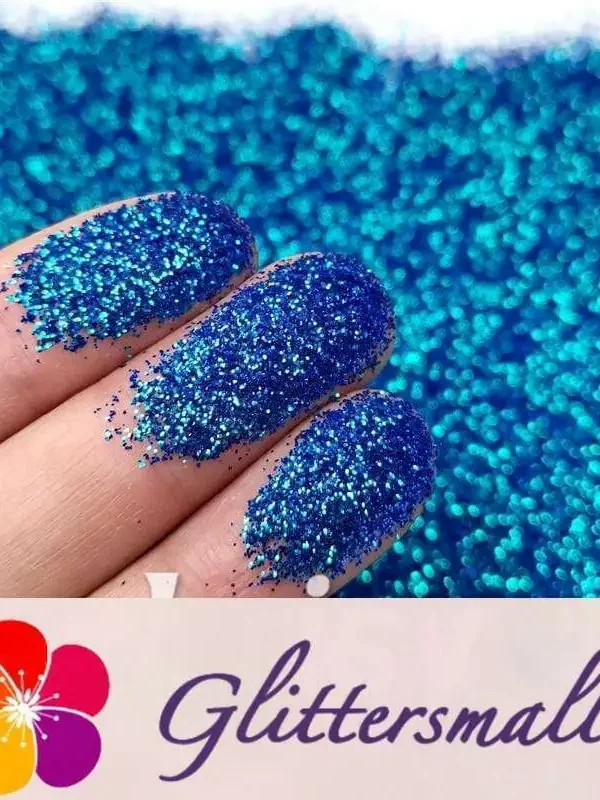
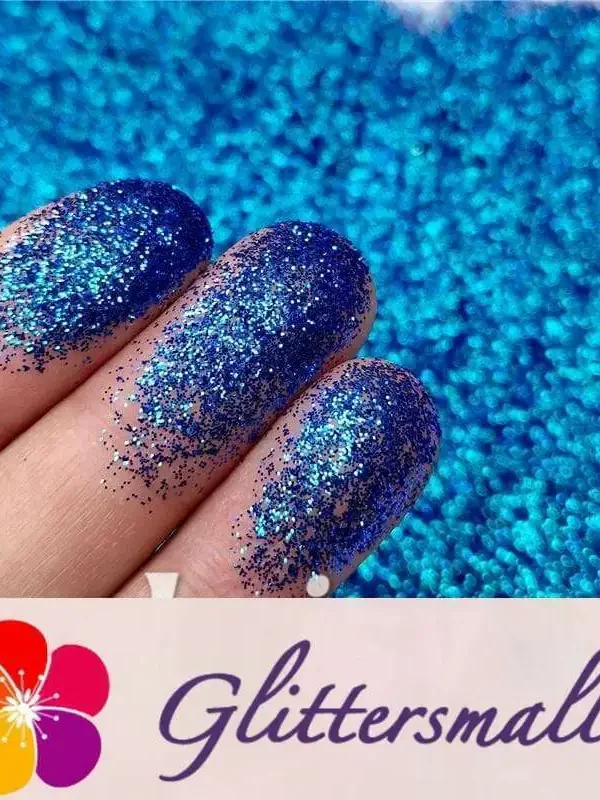
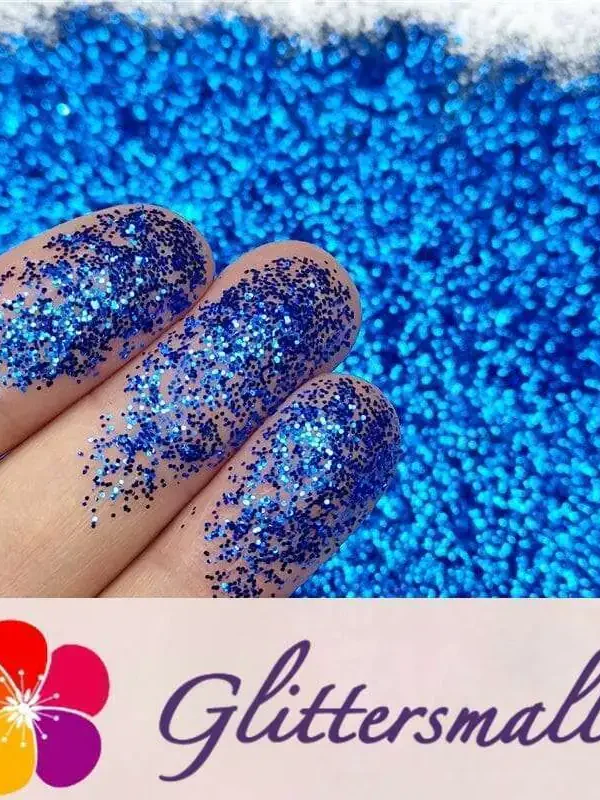
0.2mm Black Blue Glitter Pure Color B01001
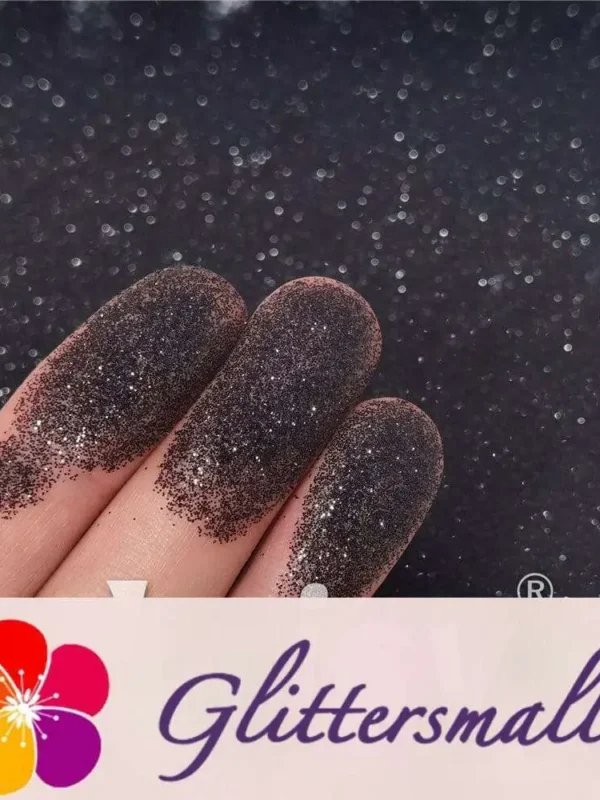
Price range: $2.39 through $36.79Select options This product has multiple variants. The options may be chosen on the product page0.2mm Black Pearl Glitter Pure Color B01000A
Price range: $2.39 through $36.79Select options This product has multiple variants. The options may be chosen on the product page0.2mm Carmine Pink Glitter Pure Color B0918
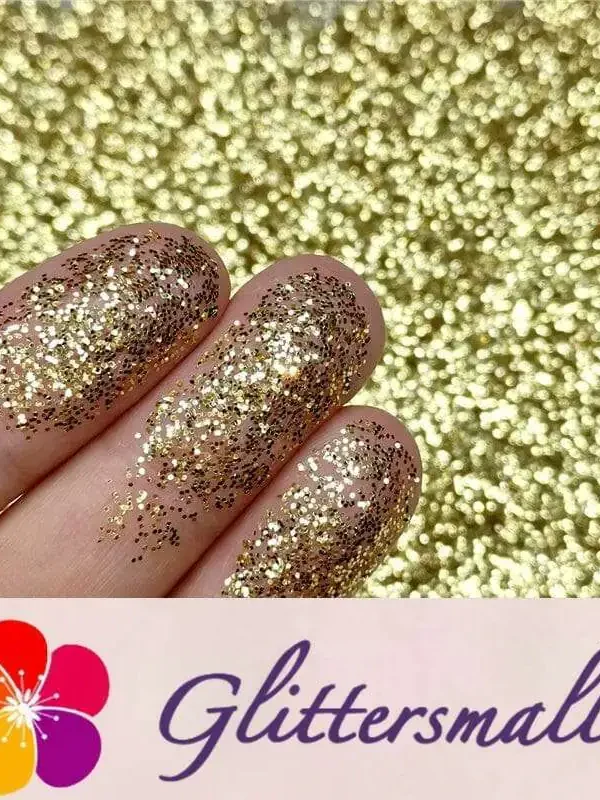
Price range: $2.39 through $36.79Select options This product has multiple variants. The options may be chosen on the product page0.2mm Champagne Gold Professional Cosmetic Glitter For Lip Gloss, Lipstick FCH212
Price range: $3.99 through $89.99Select options This product has multiple variants. The options may be chosen on the product page0.2mm Champagne Gold Professional Cosmetic Glitter For Lip Gloss, Lipstick FCH215
Price range: $3.99 through $89.99Select options This product has multiple variants. The options may be chosen on the product page0.2mm Coral Pink Professional Cosmetic Glitter For Lip Gloss, Lipstick FCH900A
Price range: $3.99 through $89.99Select options This product has multiple variants. The options may be chosen on the product page0.2mm Coral Red Professional Cosmetic Glitter For Lip Gloss, Lipstick FCH913
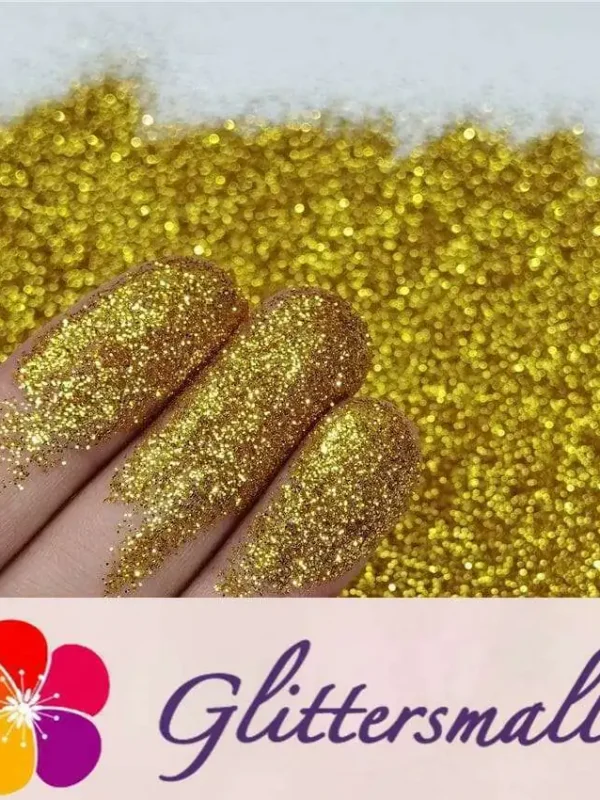
Price range: $3.99 through $89.99Select options This product has multiple variants. The options may be chosen on the product page0.2mm Dark Gold Fine Glitter Pure Color B0205
Price range: $2.39 through $36.79Select options This product has multiple variants. The options may be chosen on the product page0.2mm Deep Sea Blue Glitter Pure Color B0716
Price range: $2.39 through $36.79Select options This product has multiple variants. The options may be chosen on the product page0.2mm Dream Pink and White Iridescent Glitter C003
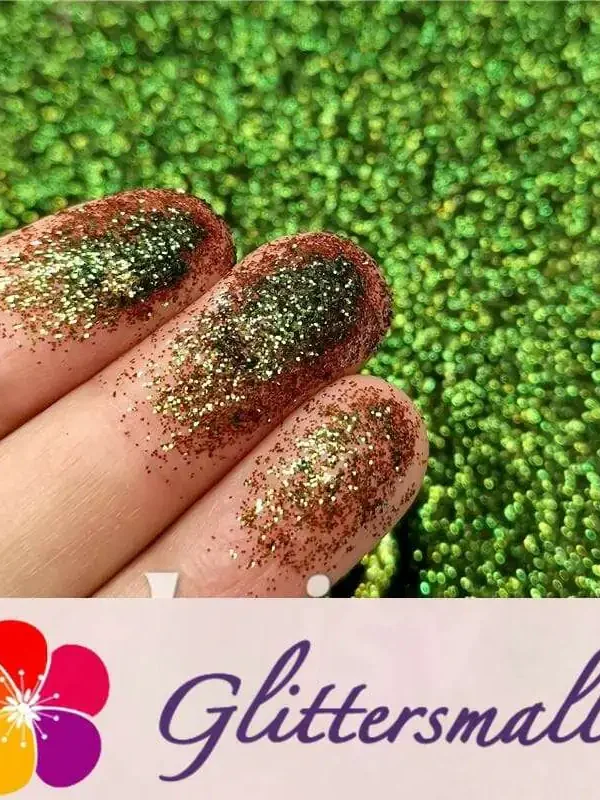
Price range: $2.39 through $36.79Select options This product has multiple variants. The options may be chosen on the product page0.2mm Forest Iridescent Glitter Powder LSB0011
Price range: $3.99 through $89.99Select options This product has multiple variants. The options may be chosen on the product page0.2mm Forest Iridescent Glitter Powder LSB0012
Price range: $3.99 through $89.99Select options This product has multiple variants. The options may be chosen on the product page0.2mm Forest Iridescent Glitter Powder LSB0013
Price range: $3.99 through $89.99Select options This product has multiple variants. The options may be chosen on the product page0.2mm Forest Iridescent Glitter Powder LSB0014
Price range: $3.99 through $89.99Select options This product has multiple variants. The options may be chosen on the product page0.2mm Forest Iridescent Glitter Powder LSB004
Price range: $3.99 through $89.99Select options This product has multiple variants. The options may be chosen on the product page0.2mm Forest Iridescent Glitter Powder LSB005
Price range: $3.99 through $89.99Select options This product has multiple variants. The options may be chosen on the product page0.2mm Forest Iridescent Glitter Powder LSB006
Price range: $3.99 through $89.99Select options This product has multiple variants. The options may be chosen on the product page0.2mm Forest Iridescent Glitter Powder LSB008
Price range: $3.99 through $89.99Select options This product has multiple variants. The options may be chosen on the product page0.2mm Gold Glitter Pure Color B0202
Price range: $2.39 through $36.79Select options This product has multiple variants. The options may be chosen on the product page0.2mm hexagon blue cosmetic grade biodegradable glitter in bulk BIO007
Price range: $3.99 through $89.99Select options This product has multiple variants. The options may be chosen on the product page0.2mm hexagon bronze cosmetic grade biodegradable glitter in bulk BIO004
Price range: $3.99 through $89.99Select options This product has multiple variants. The options may be chosen on the product page0.2mm hexagon gold cosmetic grade biodegradable glitter in bulk BIO002
Price range: $3.99 through $89.99Select options This product has multiple variants. The options may be chosen on the product page
Category Overview
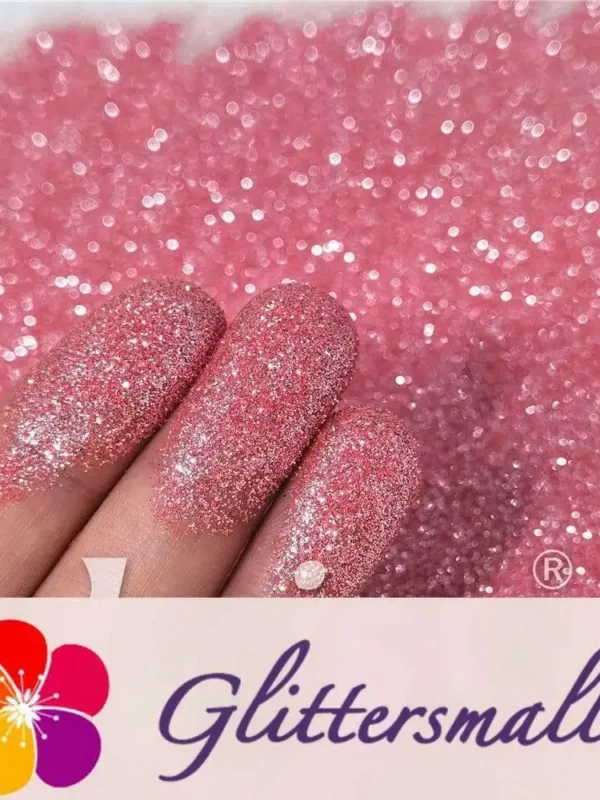
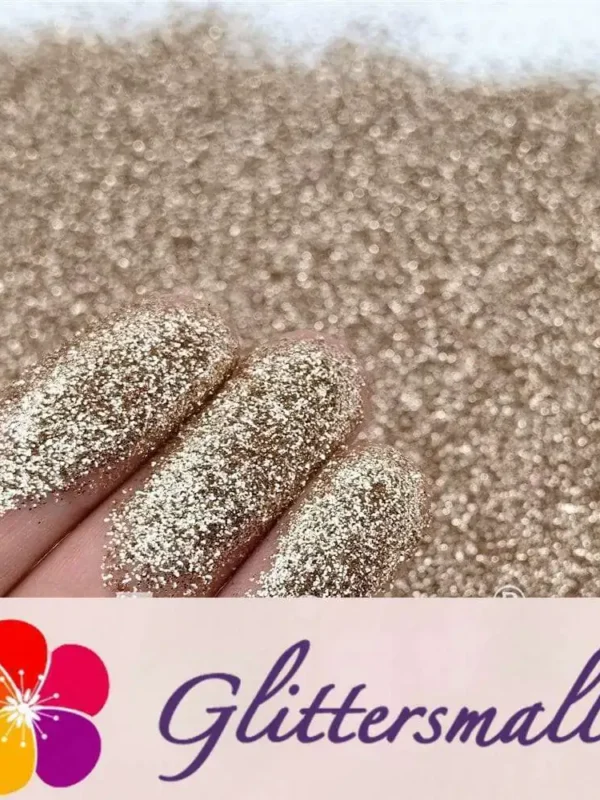
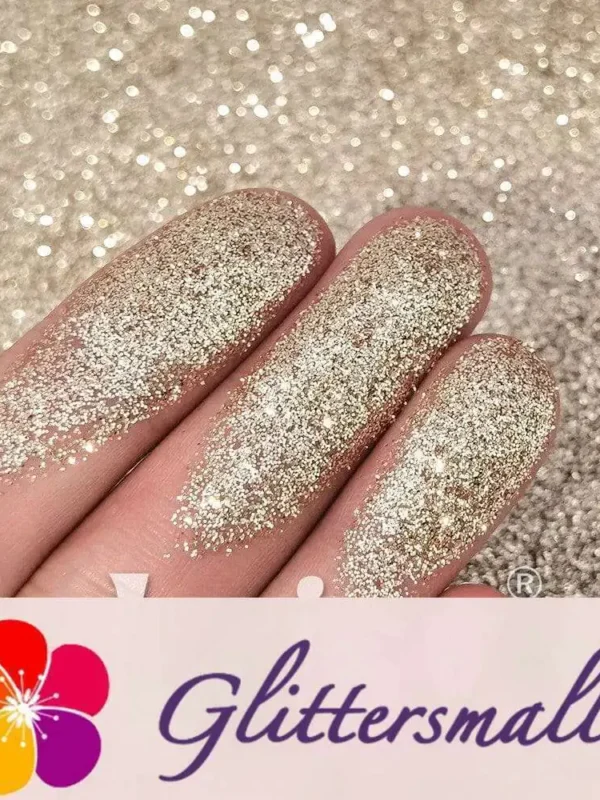
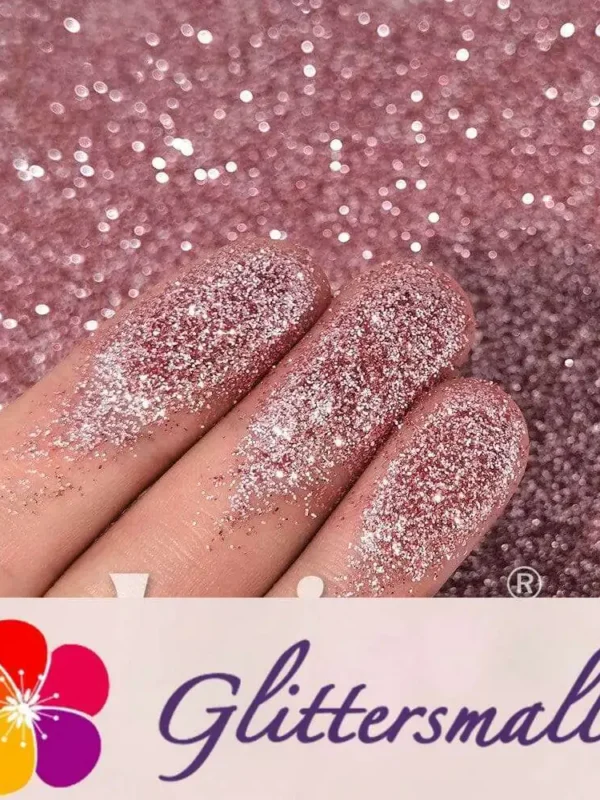
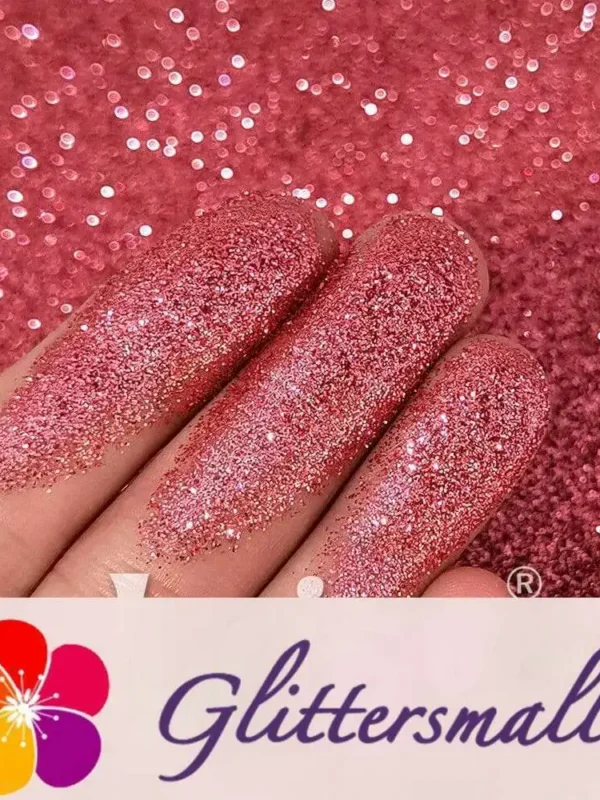
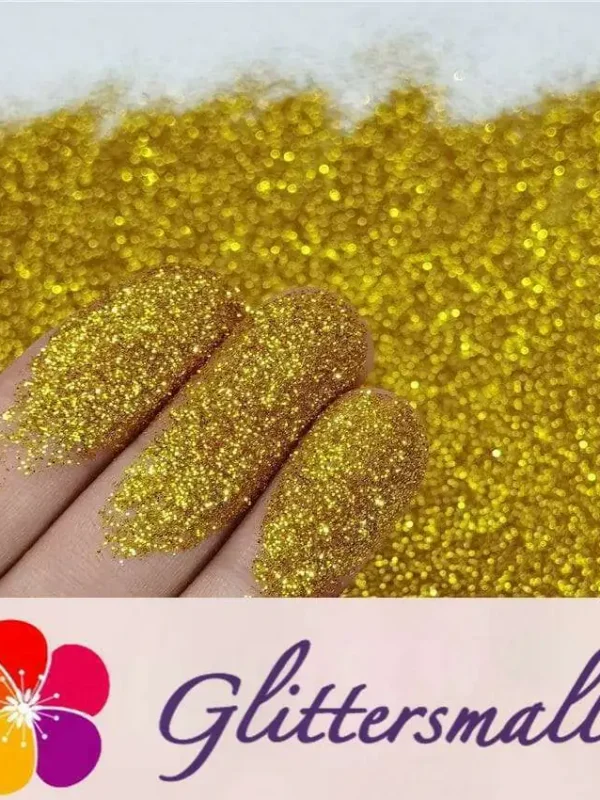
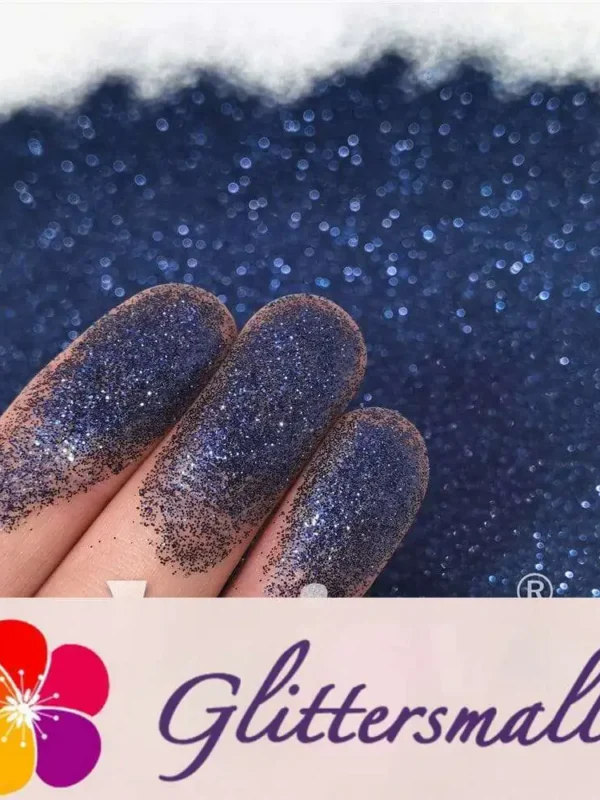
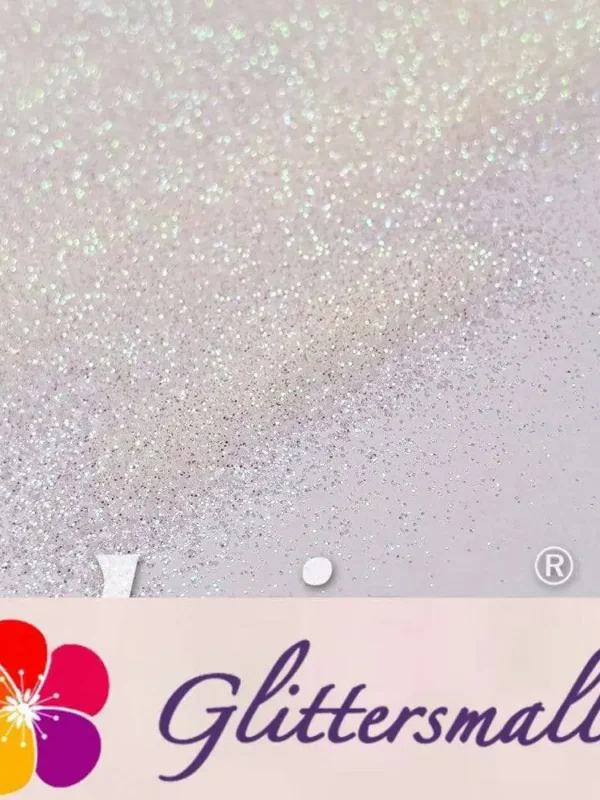
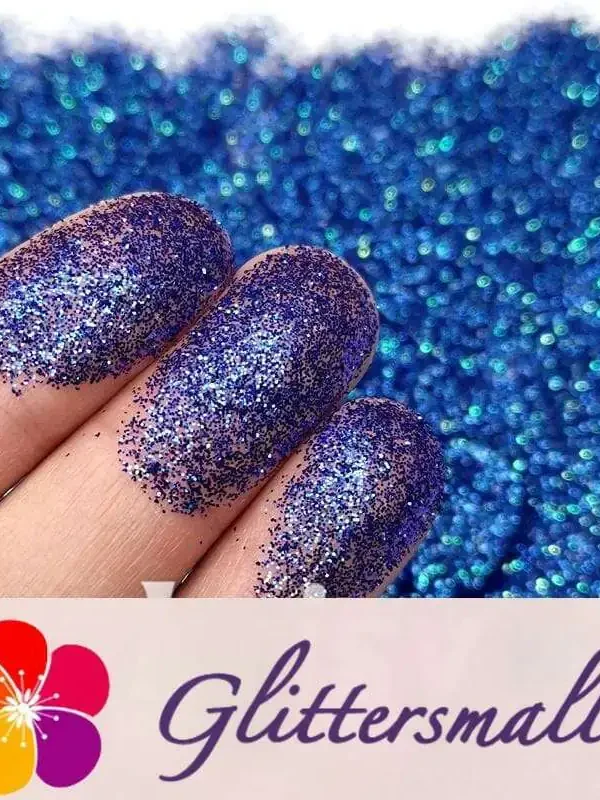
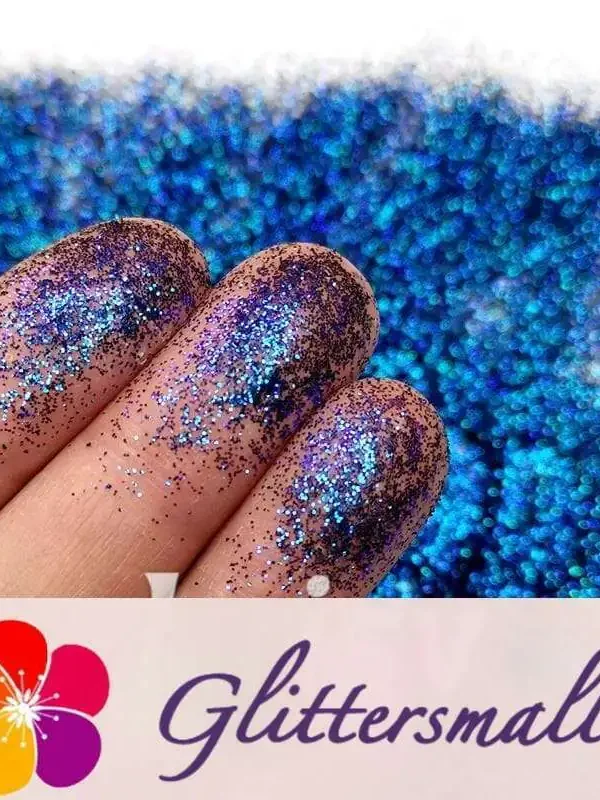
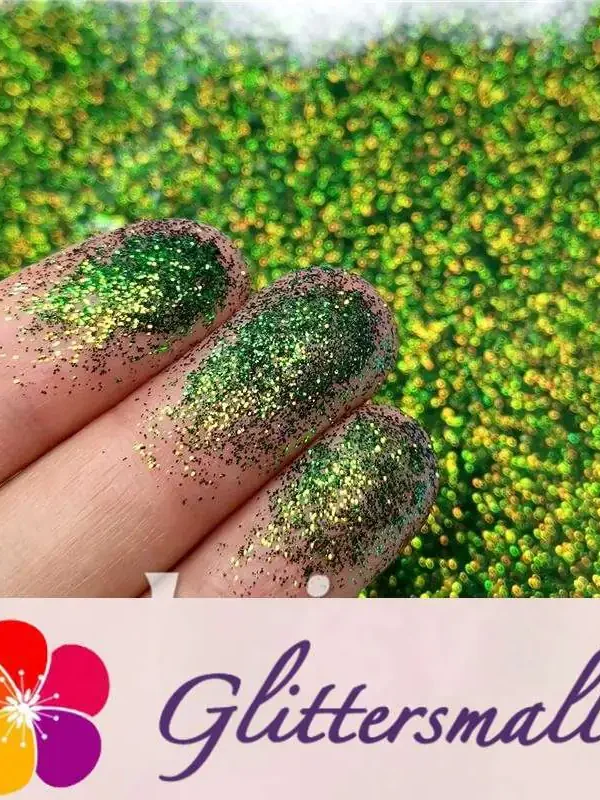
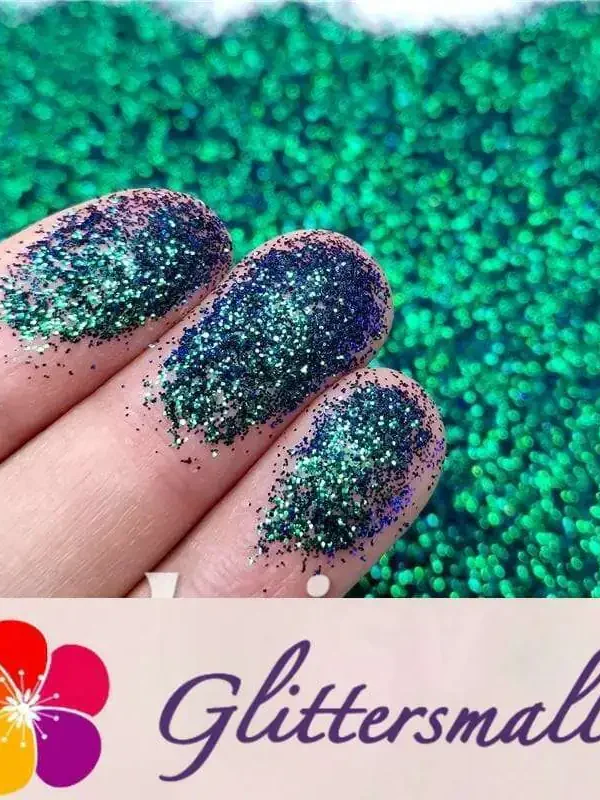
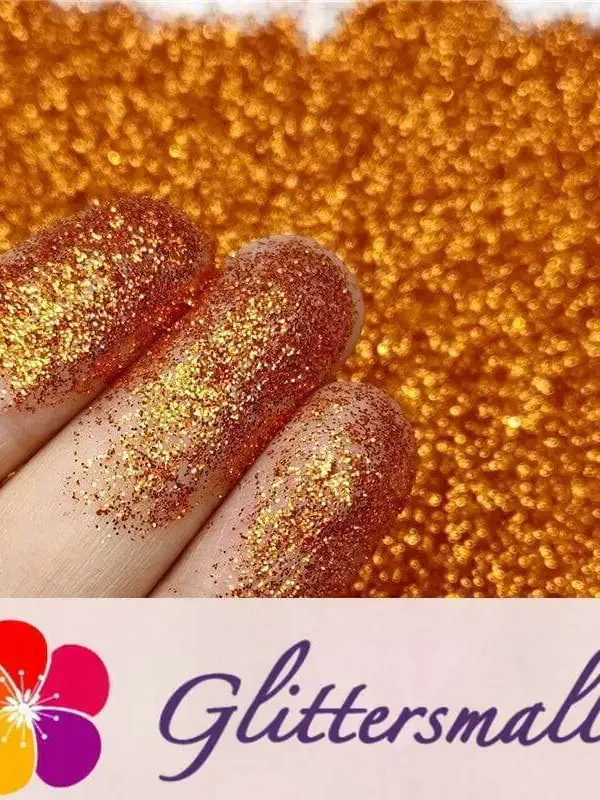
Fine glitter in this collection is identified at 0.2 mm or smaller, supporting dense distribution and a smoother visual finish than larger decorative cuts.
This page combines the product grid with practical buying guidance so you can compare relevant specifications before opening individual listings. Product availability, weights and variations can change, so use each product page as the final source for the selected option.
Applications and Best Uses
Fine Glitter can support several project types when the individual product details match the intended process:
- Detailed resin areas and small cavities where large particles would crowd the design.
- Smooth color coverage in crafts and decorative finishes.
- Beauty-focused projects only when the individual product is explicitly cosmetic grade.
- Layering beneath chunky glitter to create a continuous sparkling background.
Fine particle size does not itself mean cosmetic grade or solvent resistance. Avoid unsupported uses and follow appropriate handling practices for loose particles.
How to Choose
Use the following checks to narrow the collection efficiently:
- Verify the exact particle size and material on the product page.
- Compare opaque and translucent colors over the intended base.
- Use the smallest practical test batch to judge coverage and concentration.
- For cosmetic, paint or coating work, confirm the specific grade and compatibility rather than relying on size alone.
Before a larger order, compare the selected variation, pack weight, product photography and stated application. A small test is useful whenever color, texture, equipment compatibility or final surface level is critical.
For repeat orders, save the product name, SKU, selected variation and project notes. This makes it easier to reproduce a result and identify whether a different size, finish or concentration would improve the next batch.
Product Comparison
| Type | Best For | Pros | Cons |
|---|---|---|---|
| 0.2 mm fine glitter | Dense coverage and detail | Smooth-looking finish | Individual particles are subtle |
| Standard cut glitter | General decorative sparkle | Balanced handling | Less continuous coverage |
| Chunky glitter | Visible texture and accents | Strong reflection | Requires more space |
| Fine holographic glitter | Dense rainbow sparkle | High light response | May overpower soft color palettes |
Buyer FAQ
What should I check first when choosing fine glitter?
Start with the intended application, then confirm particle size or finished dimensions, material, color, effect and the selected pack option. The category helps narrow products, but the individual listing contains the details for the exact variation you order.
Can every product in fine glitter be used for cosmetics, paint or resin?
No. Category placement does not establish universal compatibility. Look for explicit cosmetic-grade, solvent-resistant or application-specific wording on the individual product page, and test the product with the actual base material when compatibility matters.
Why can the product look different from the photos?
Glitter, mica and transparent resin effects respond to lighting, viewing angle, concentration and background color. Screen settings can also change perceived color. Review multiple images where available and test a small amount over the intended base for a precise visual decision.
How do I estimate the quantity to order?
Use the project surface area or mold volume, the desired coverage and the product’s selected weight as starting points. Fine particles usually spread more densely, while chunky pieces and larger molds may require more material. Order a consistent batch for projects that must match.