A little sparkle. Endless possibilities.
A little sparkle. Endless possibilities.

Shard Glitter
Browse glitter flakes and shard styles in a selection of colors and finishes. Product listings specify available dimensions and package options; compare the details before ordering.

0.2mm Forest Iridescent Glitter Powder LSB0011
Price range: ¥3.99 through ¥89.99Select options This product has multiple variants. The options may be chosen on the product page0.2mm Forest Iridescent Glitter Powder LSB0012
Price range: ¥3.99 through ¥89.99Select options This product has multiple variants. The options may be chosen on the product page0.2mm Forest Iridescent Glitter Powder LSB0013
Price range: ¥3.99 through ¥89.99Select options This product has multiple variants. The options may be chosen on the product page0.2mm Forest Iridescent Glitter Powder LSB0014
Price range: ¥3.99 through ¥89.99Select options This product has multiple variants. The options may be chosen on the product page0.2mm Forest Iridescent Glitter Powder LSB004
Price range: ¥3.99 through ¥89.99Select options This product has multiple variants. The options may be chosen on the product page0.2mm Forest Iridescent Glitter Powder LSB005
Price range: ¥3.99 through ¥89.99Select options This product has multiple variants. The options may be chosen on the product page0.2mm Forest Iridescent Glitter Powder LSB006
Price range: ¥3.99 through ¥89.99Select options This product has multiple variants. The options may be chosen on the product page0.2mm Forest Iridescent Glitter Powder LSB008
Price range: ¥3.99 through ¥89.99Select options This product has multiple variants. The options may be chosen on the product page2×2 Glitter Holo Shards (Flakes) Holographic Pigment Brown Glitter Solvent Resistant SLG012
Price range: ¥3.99 through ¥89.99Select options This product has multiple variants. The options may be chosen on the product page2×2 Glitter Holo Shards (Flakes) Holographic Pigment Dark Grey Glitter Solvent Resistant SLG011
Price range: ¥3.99 through ¥89.99Select options This product has multiple variants. The options may be chosen on the product page2×2 Glitter Holo Shards (Flakes) Holographic Pigment Gold Glitter Solvent Resistant SLG003
Price range: ¥3.99 through ¥89.99Select options This product has multiple variants. The options may be chosen on the product page2×2 Glitter Holo Shards (Flakes) Holographic Pigment Golden Green Glitter Solvent Resistant SLG007
Price range: ¥3.99 through ¥89.99Select options This product has multiple variants. The options may be chosen on the product page2×2 Glitter Holo Shards (Flakes) Holographic Pigment Grass Green Glitter Solvent Resistant SLG008
Price range: ¥3.99 through ¥89.99Select options This product has multiple variants. The options may be chosen on the product page2×2 Glitter Holo Shards (Flakes) Holographic Pigment Light Pink Glitter Solvent Resistant SLG005
Price range: ¥3.99 through ¥89.99Select options This product has multiple variants. The options may be chosen on the product page2×2 Glitter Holo Shards (Flakes) Holographic Pigment Metallic Glitter Solvent Resistant SLG004
Price range: ¥3.99 through ¥89.99Select options This product has multiple variants. The options may be chosen on the product page2×2 Glitter Holo Shards (Flakes) Holographic Pigment Olive Green Glitter Solvent Resistant SLG010
Price range: ¥3.99 through ¥89.99Select options This product has multiple variants. The options may be chosen on the product page2×2 Glitter Holo Shards (Flakes) Holographic Pigment Orange Gold Glitter SLG014-N
Price range: ¥3.99 through ¥89.99Select options This product has multiple variants. The options may be chosen on the product page2×2 Glitter Holo Shards (Flakes) Holographic Pigment Pink Glitter Solvent Resistant SLG006
Price range: ¥3.99 through ¥89.99Select options This product has multiple variants. The options may be chosen on the product page2×2 Glitter Holo Shards (Flakes) Holographic Pigment Rose Red Glitter SLG016-N
Price range: ¥3.99 through ¥89.99Select options This product has multiple variants. The options may be chosen on the product page2×2 Glitter Holo Shards (Flakes) Holographic Pigment Sand Gold Glitter Solvent Resistant SLG002
Price range: ¥3.99 through ¥89.99Select options This product has multiple variants. The options may be chosen on the product page
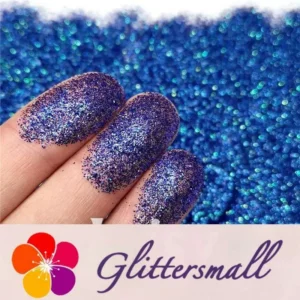
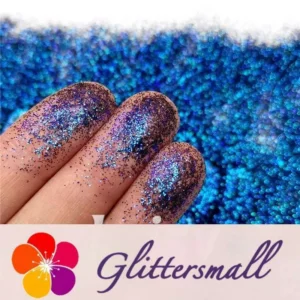
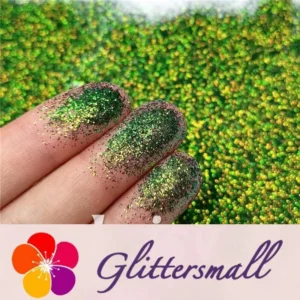
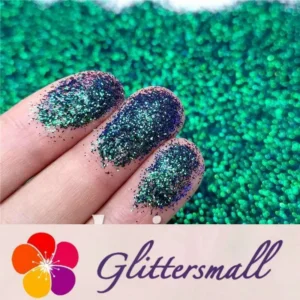
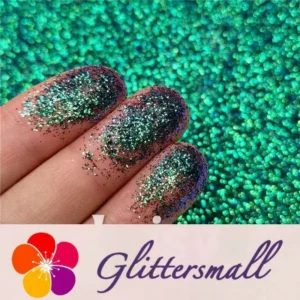
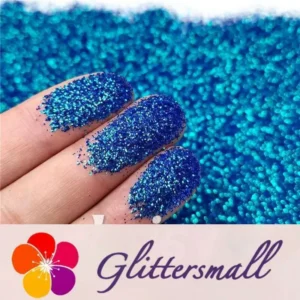
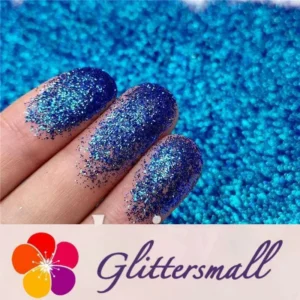
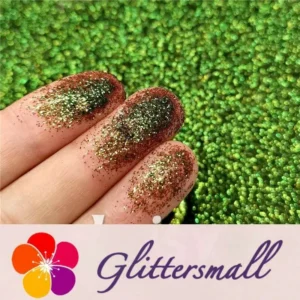
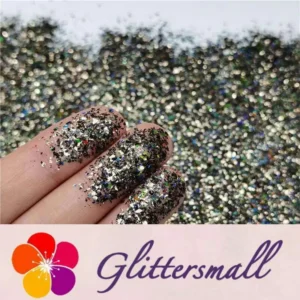
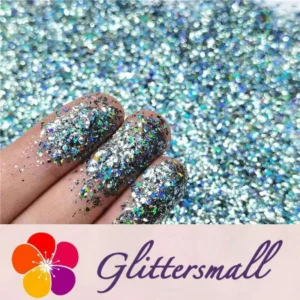
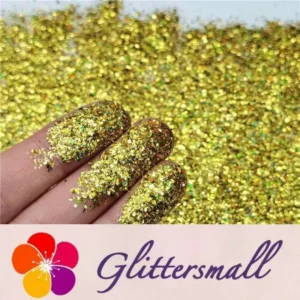
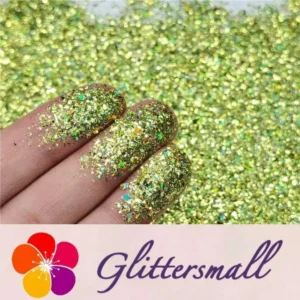
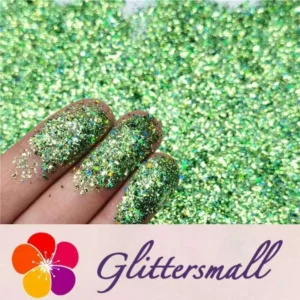
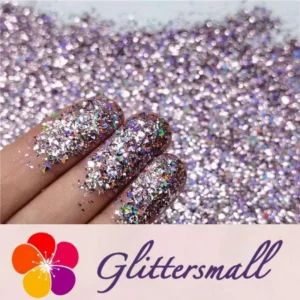
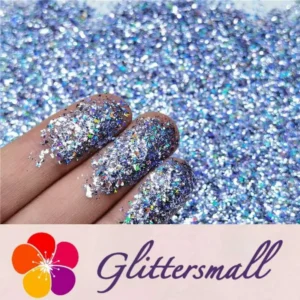
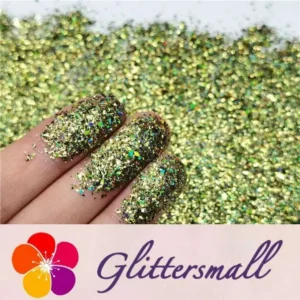
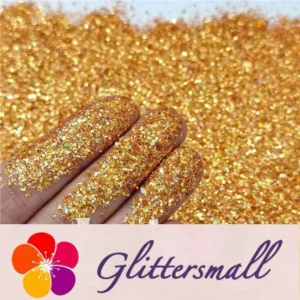
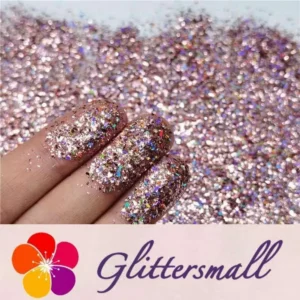
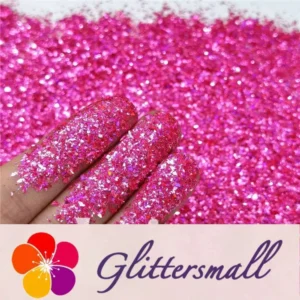
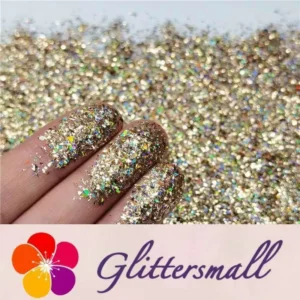
Glitter flakes and shard sizes
Shard listings include both holographic and iridescent flakes. Some product titles state dimensions such as 4 × 4 mm, while other listings may use a different size or describe the material as cellophane. Treat each title and product specification as item-specific, and compare photos to see the form before ordering.
For related finishes, browse holographic glitter and iridescent glitter. If you are looking for visibly larger pieces rather than flakes, compare chunky glitter.
Related collections: Holographic Glitter · Iridescent Glitter · Chunky Glitter.