
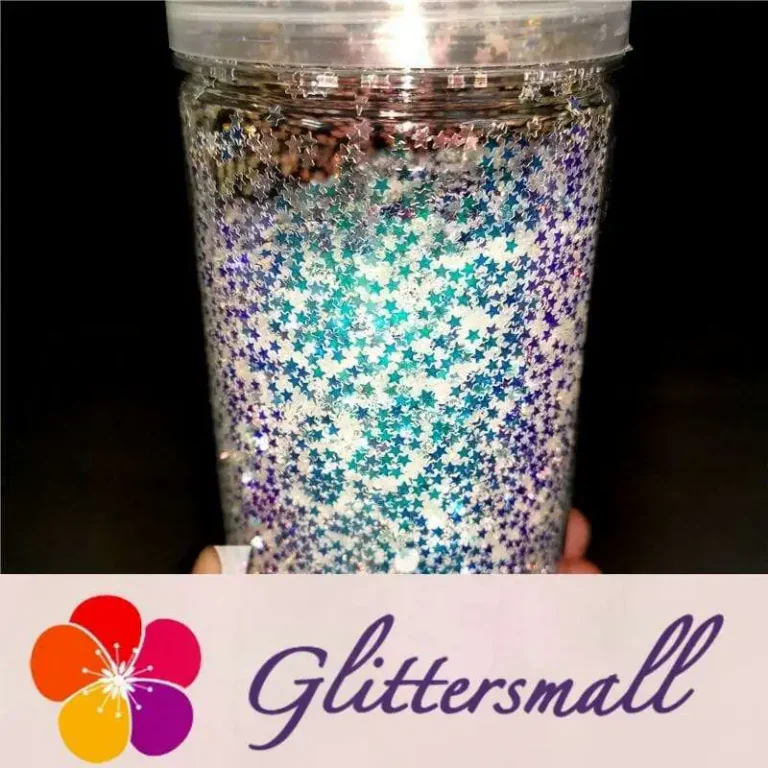
A Better Craft Drawer: Matching Glitter to Paper, Glue and Surface
Craft glitter performs differently on porous paper, sealed wood, fabric and plastic. The adhesive and finishing method should be chosen with the surface and particle size.

Application-focused glitter articles covering epoxy resin, tumblers, floors, paint, coatings, nails, body, hair, slime, balloons and creative crafts. Learn which particle size, material and finish works best for each project.
Craft glitter performs differently on porous paper, sealed wood, fabric and plastic. The adhesive and finishing method should be chosen with the surface and particle size.
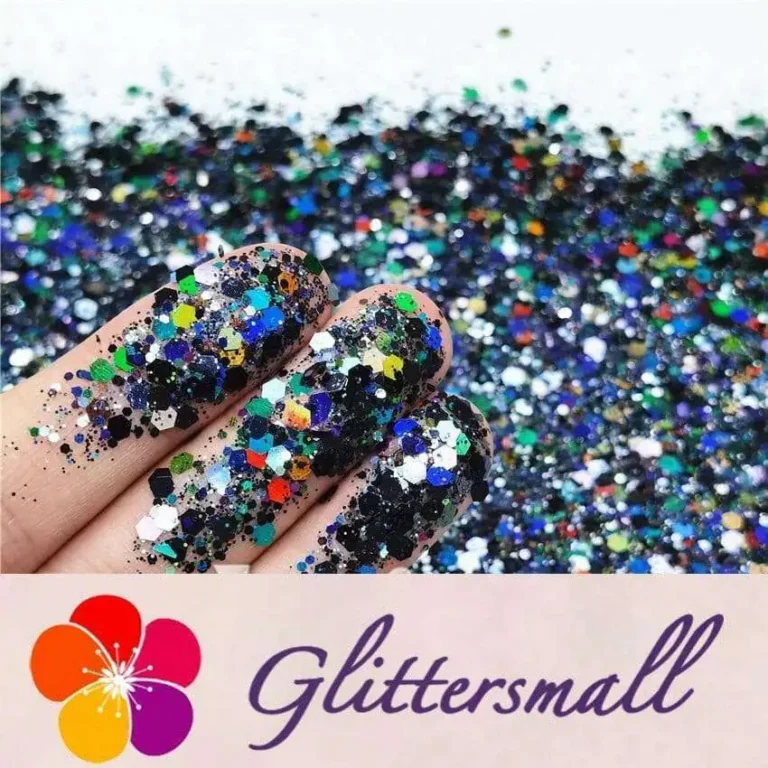
A jewelry mold gives glitter very little room to hide mistakes. Oversized particles can block details, while an overfilled fine mix can turn a transparent piece opaque.
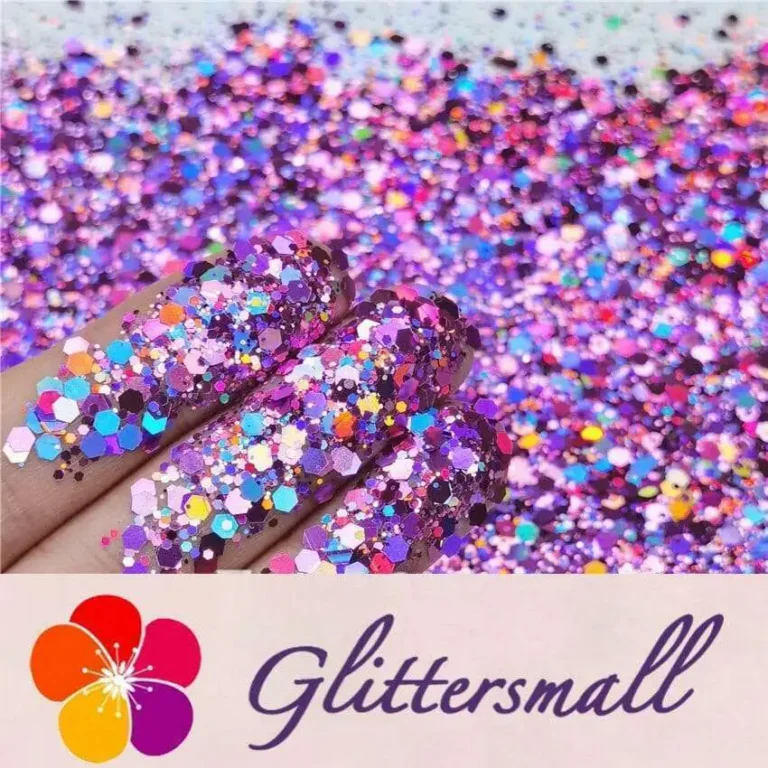
Balloon glitter must remain visible through a curved, moving surface and under event lighting. Contrast and particle behavior matter more than the jar’s close-up sparkle.
In slime, glitter is suspended in a moving material rather than fixed on a flat surface. Particle size changes visibility, texture and how evenly the effect travels through the mixture.
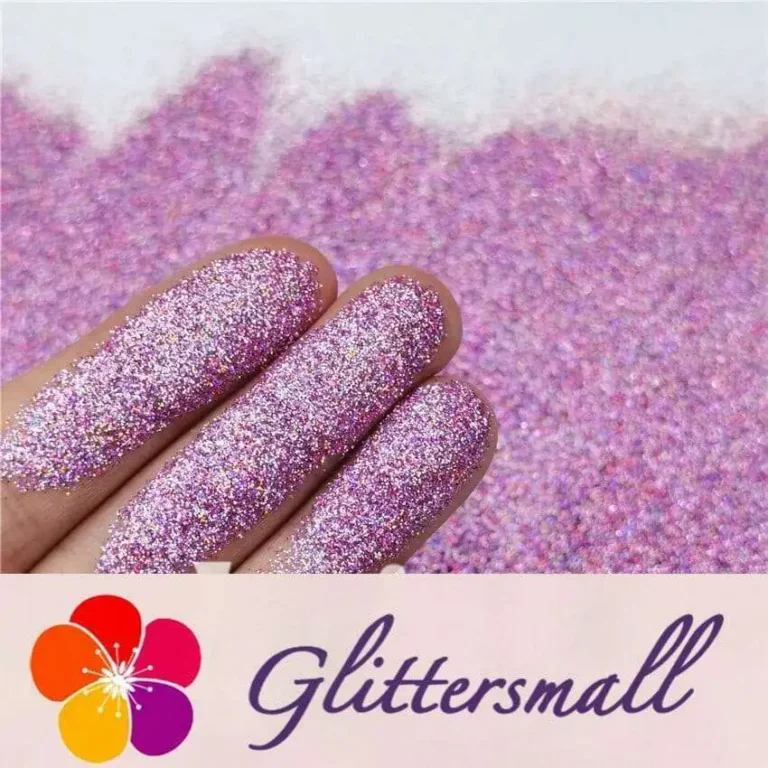
Body sparkle is a cosmetic-use decision before it is a color decision. Product documentation, contact area, adhesive system and removal method deserve the same attention as the finish.
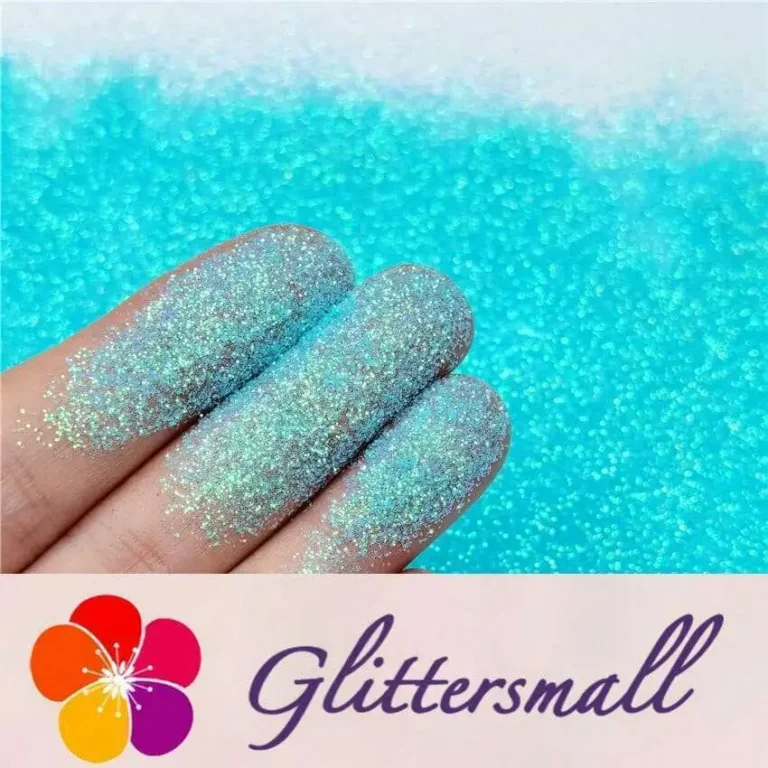
On a nail, half a millimeter can change the entire composition. Size, shape and placement should be selected for the design area and the nail system, not for the way the jar photographs.
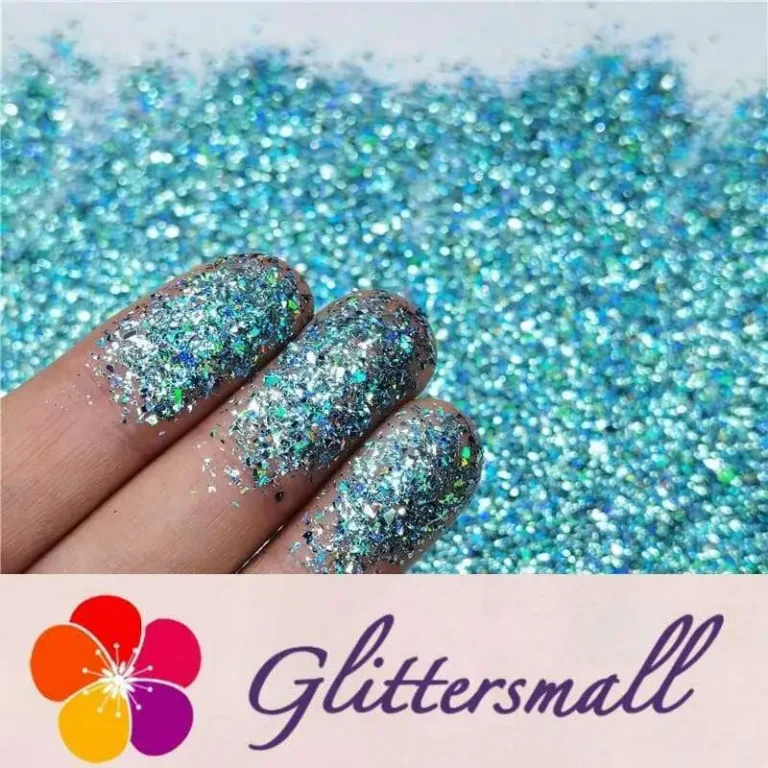
Paint can bury, scatter or chemically alter glitter. A successful coating keeps enough particles correctly oriented and stable after the film dries.
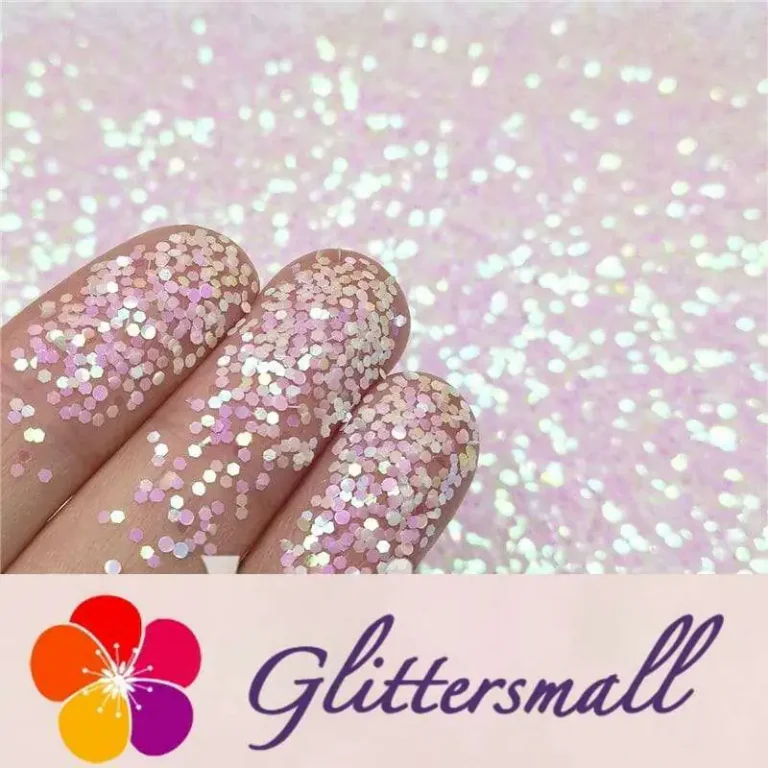
A floor is not a craft sample enlarged. Traffic, coating chemistry, broadcasting method and final texture determine whether glitter remains attractive and serviceable.
A tumbler glitter layer has two jobs: create the effect and leave a surface that can be finished efficiently. Particle size determines how much work happens under the final topcoat.
The best glitter for epoxy is the one that survives the resin system and produces the intended depth, coverage and surface. Dry sparkle alone cannot answer that.