

Tumbler Glitter
Browse tumbler glitter grouped from explicit product information and established material categories. This collection helps narrow the catalog for tumbler uses without assuming that every glitter is suitable for the same process. Review each product’s particle size, material, finish, package options and application notes before ordering. For cosmetic or solvent-based work, confirm the specific usage guidance and compatibility shown on the individual product page. When comparing tumbler glitter products, also review order quantity, available weights and product photography so the selected option matches the required scale, coverage and visual result.
Showing 1–24 of 51 results

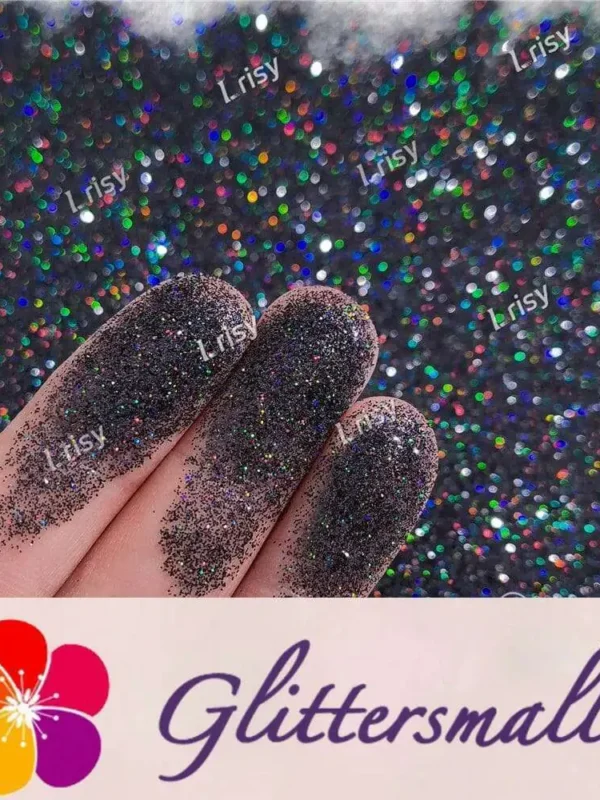
0.2mm Holographic Black Extra Fine Glitter (Ultra-thin) LB01000
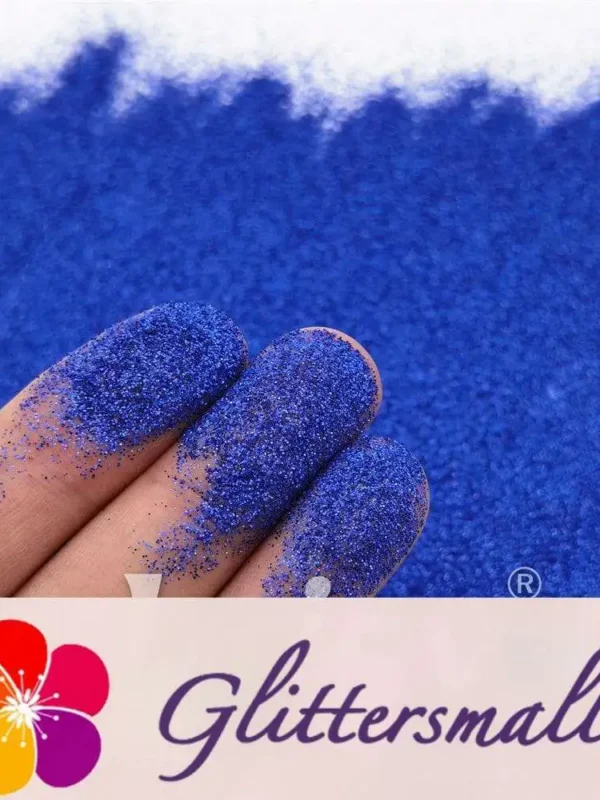
Price range: $2.99 through $27.99Select options This product has multiple variants. The options may be chosen on the product page0.2mm Holographic Deep Blue Extra Fine Glitter (Ultra-thin) LB0705
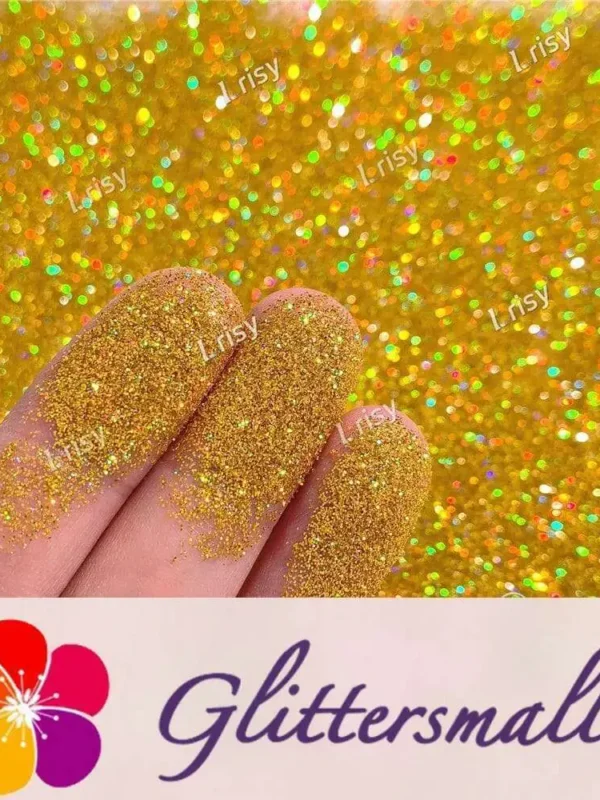
Price range: $2.99 through $45.99Select options This product has multiple variants. The options may be chosen on the product page0.2mm Holographic Gold Extra Fine Glitter (Ultra-thin) LB0210
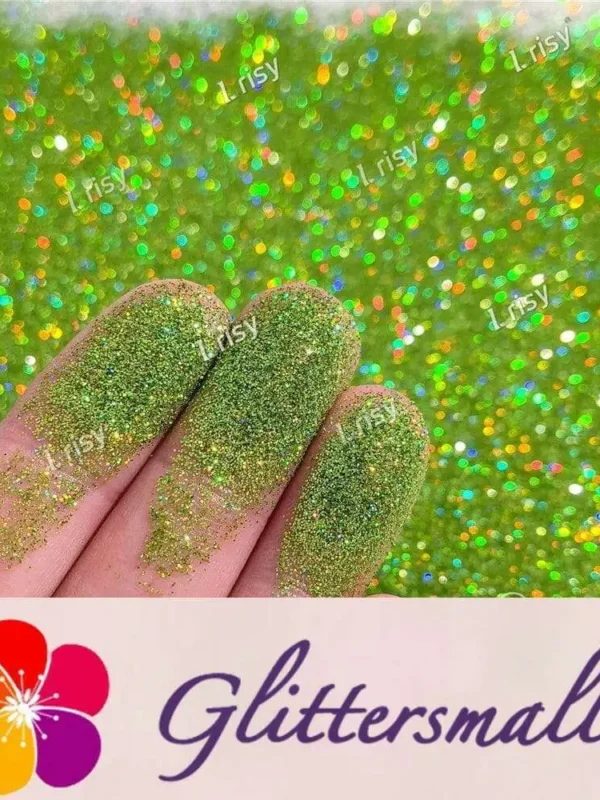
Price range: $2.99 through $45.99Select options This product has multiple variants. The options may be chosen on the product page0.2mm Holographic Green Extra Fine Glitter (Ultra-thin) LB0601
Price range: $2.99 through $45.99Select options This product has multiple variants. The options may be chosen on the product page0.2mm Holographic Hazy Pink Extra Fine Glitter (Ultra-thin) LB0911
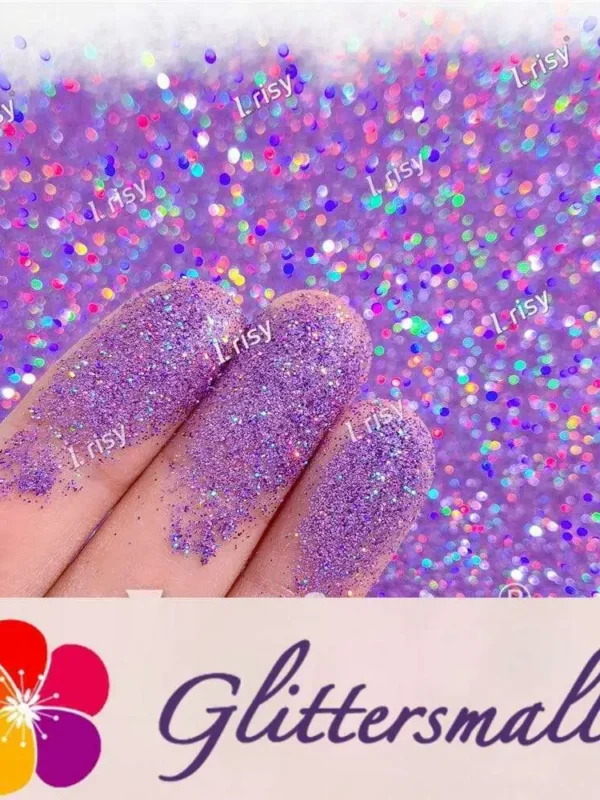
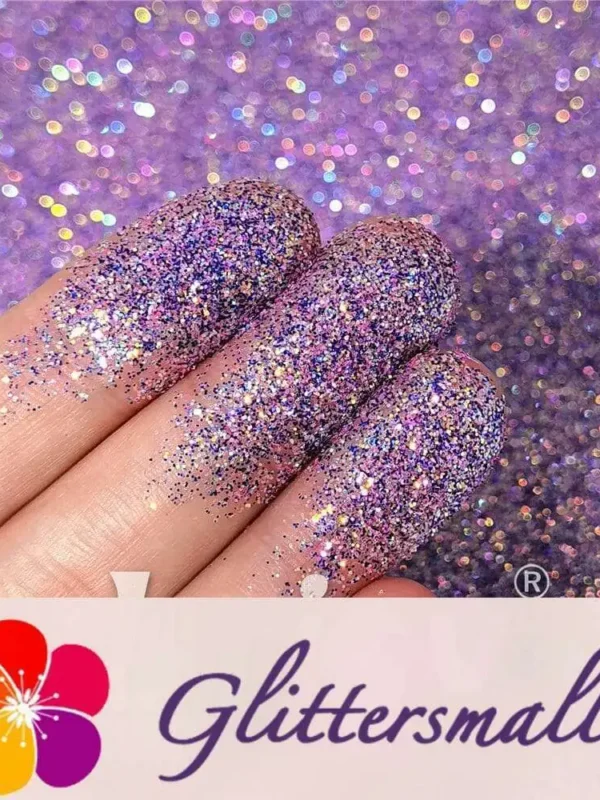
Price range: $2.99 through $45.99Select options This product has multiple variants. The options may be chosen on the product page0.2mm Holographic Light Purple Extra Fine Glitter (Ultra-thin) LB0802
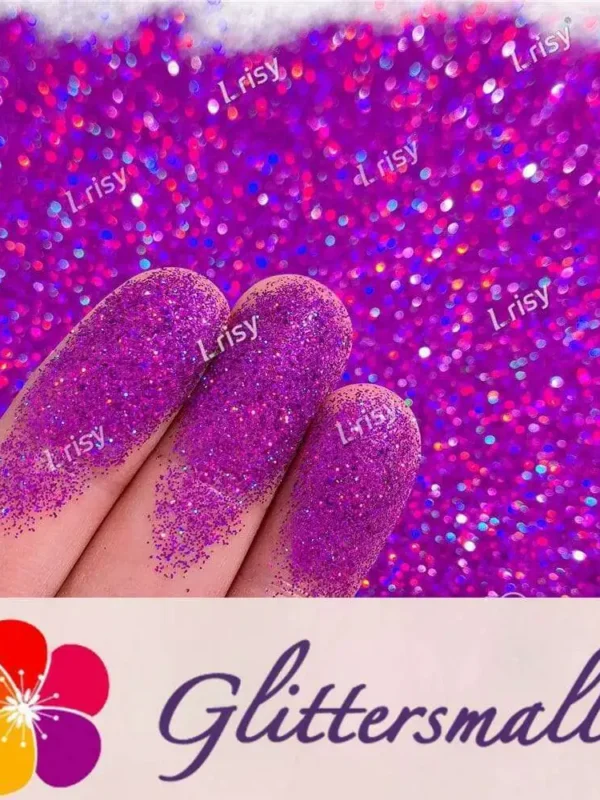
Price range: $2.99 through $45.99Select options This product has multiple variants. The options may be chosen on the product page0.2mm Holographic Purple Extra Fine Glitter (Ultra-thin) LB0800
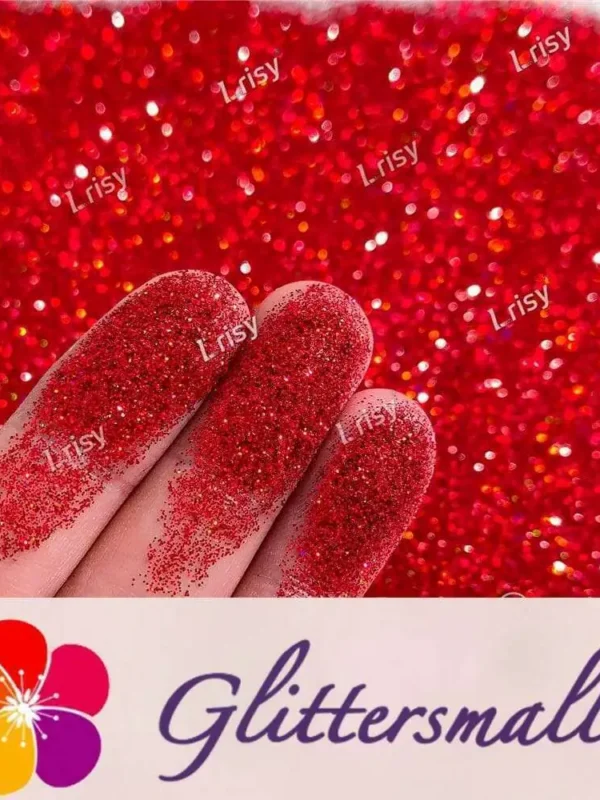
Price range: $2.99 through $45.99Select options This product has multiple variants. The options may be chosen on the product page0.2mm Holographic Red Extra Fine Glitter (Ultra-thin) LB0300
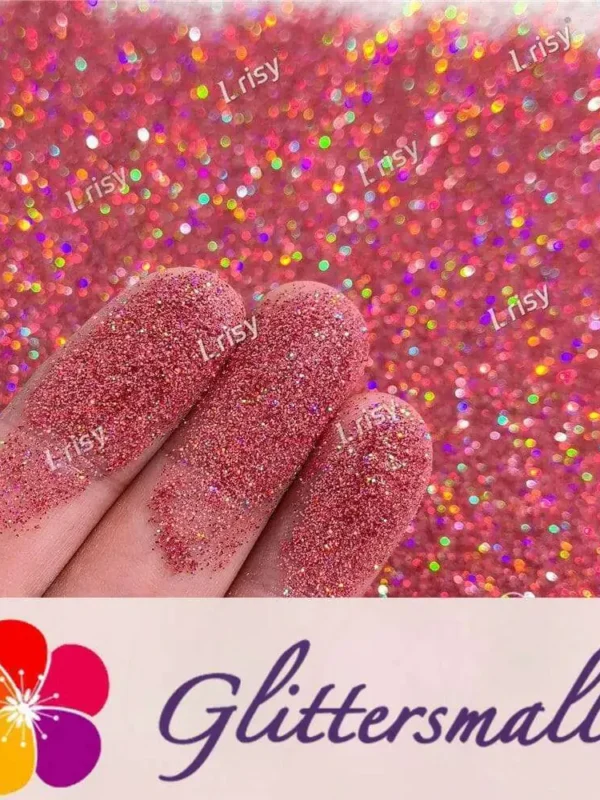
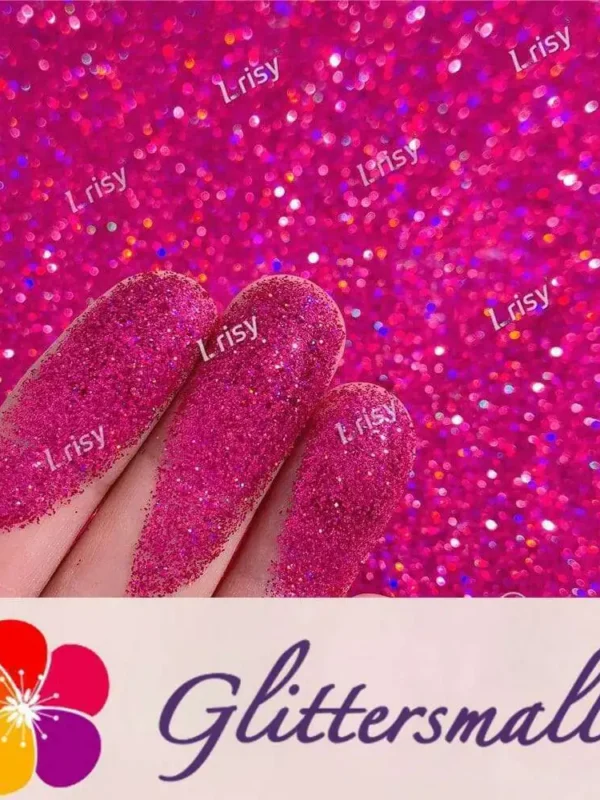
Price range: $2.99 through $45.99Select options This product has multiple variants. The options may be chosen on the product page0.2mm Holographic Rose Red Extra Fine Glitter (Ultra-thin) LB0912
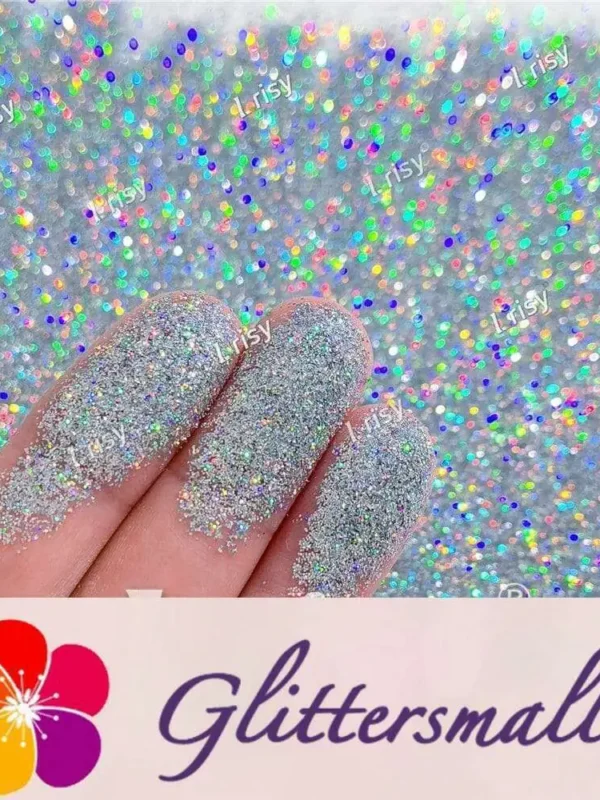
Price range: $2.99 through $45.99Select options This product has multiple variants. The options may be chosen on the product page0.2mm Holographic Silver Extra Fine Glitter (Ultra-thin) LB0100
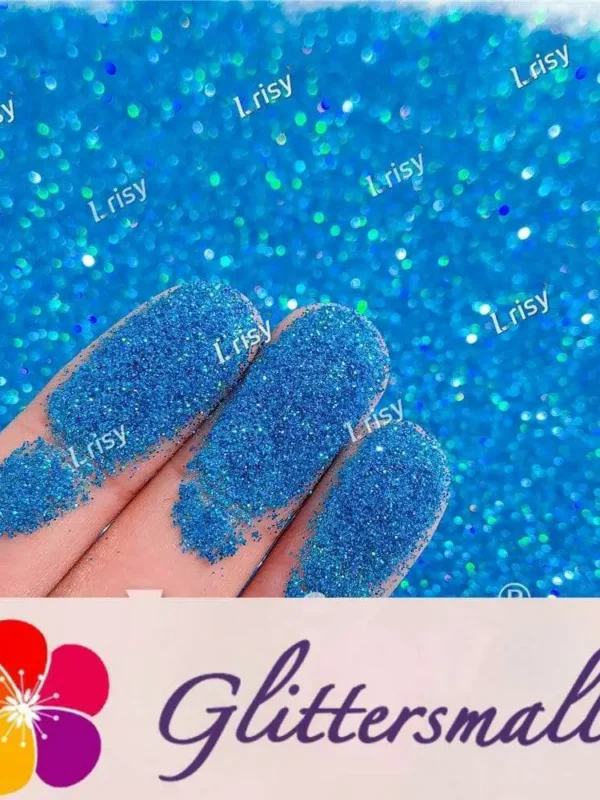
Price range: $2.99 through $45.99Select options This product has multiple variants. The options may be chosen on the product page0.2mm Holographic Sky Blue Extra Fine Glitter (Ultra-thin) LB0700
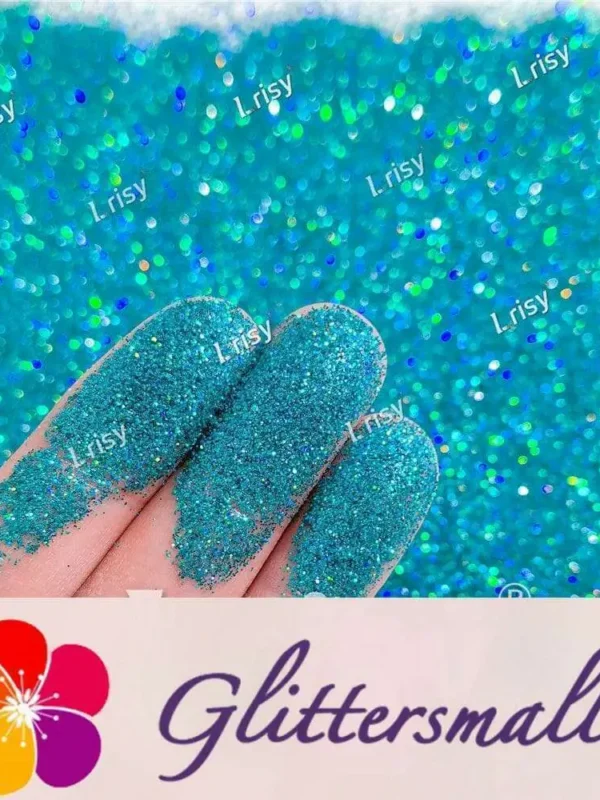
Price range: $2.99 through $45.99Select options This product has multiple variants. The options may be chosen on the product page0.2mm Holographic Teal Green Extra Fine Glitter (Ultra-thin) LB0702
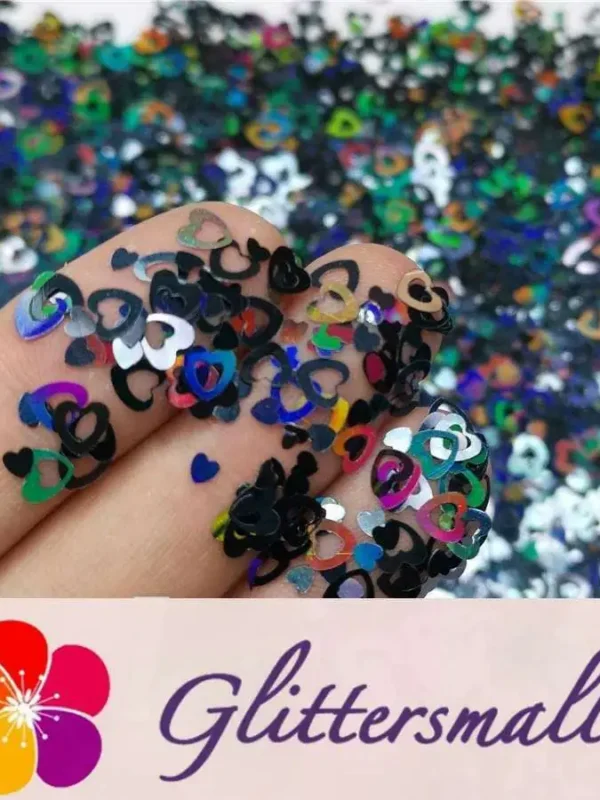
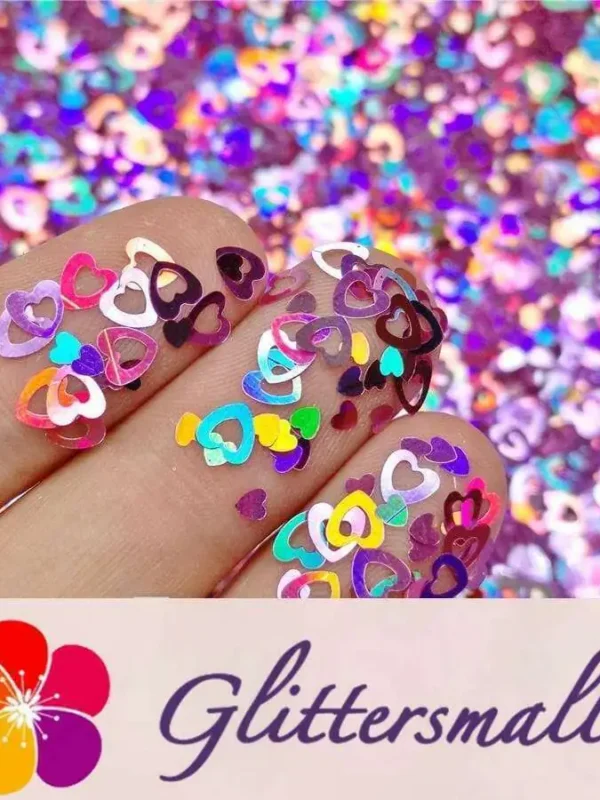
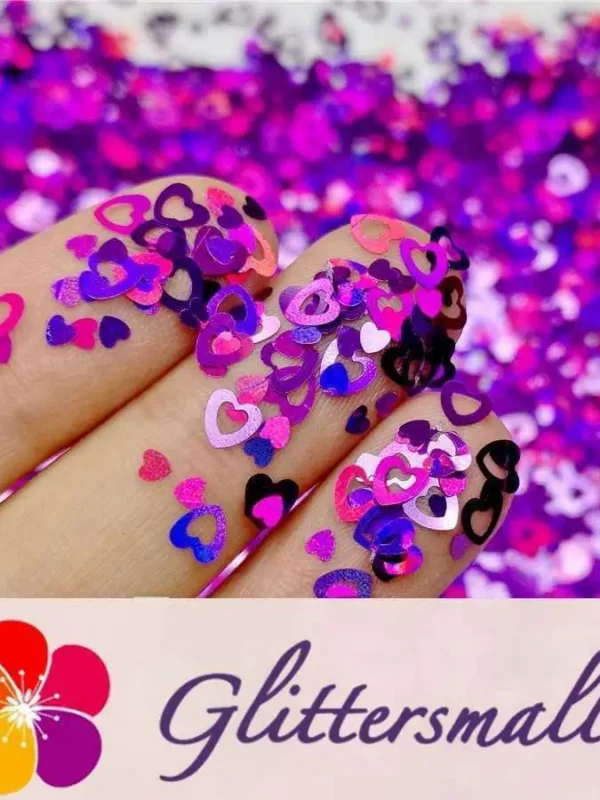
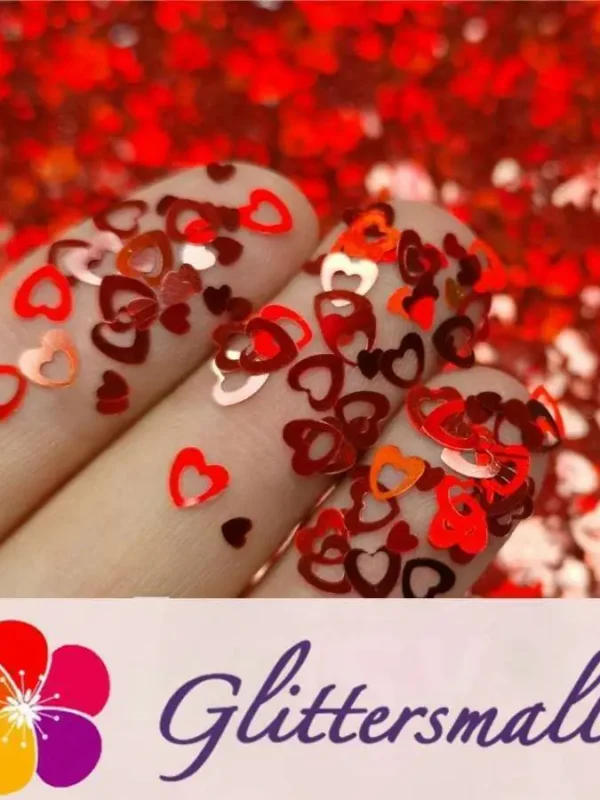
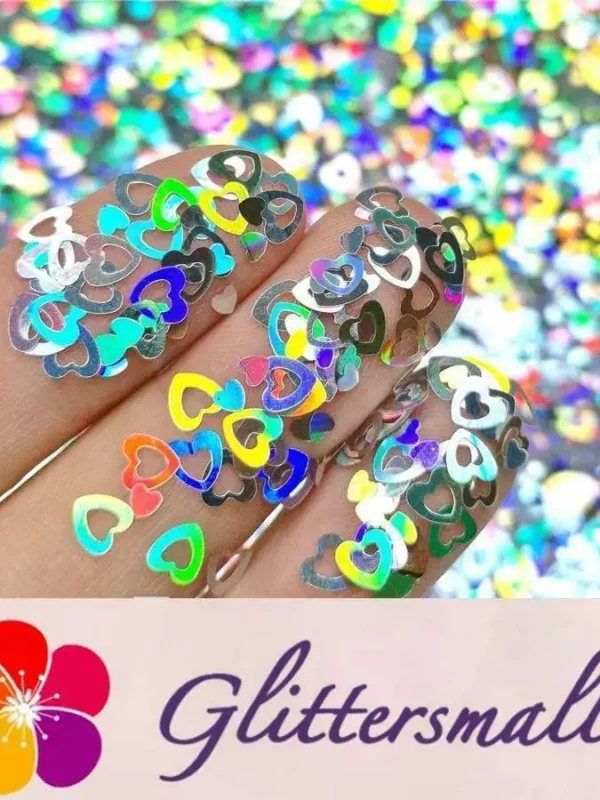
Price range: $2.99 through $27.99Select options This product has multiple variants. The options may be chosen on the product page4mm Holographic Black Hollow Out Heart Shaped Glitter LB01000
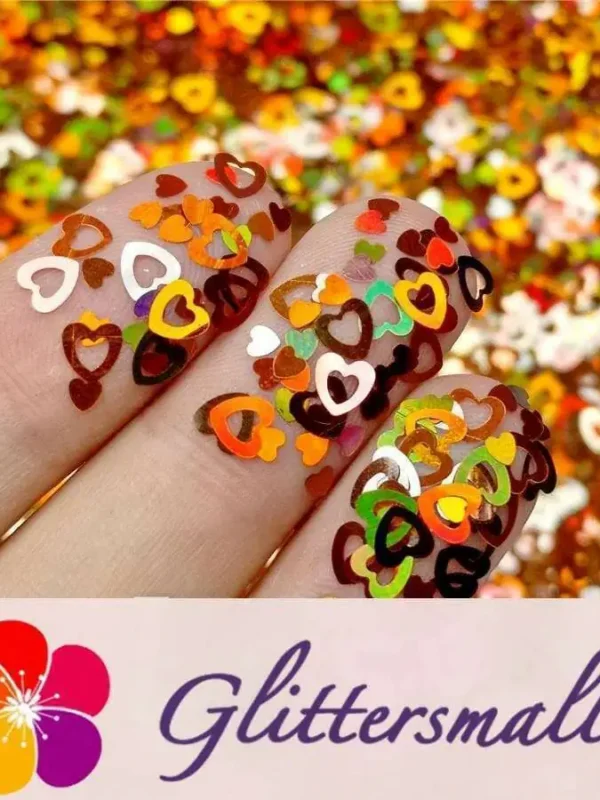
Price range: $2.99 through $63.99Select options This product has multiple variants. The options may be chosen on the product page4mm Holographic Bronze Hollow Out Heart Shaped Glitter LB0402
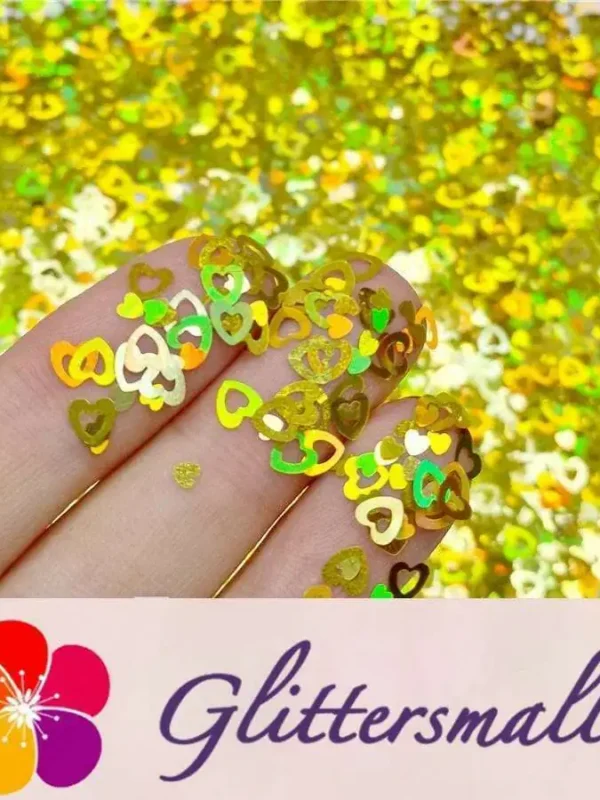
Price range: $2.99 through $63.99Select options This product has multiple variants. The options may be chosen on the product page4mm Holographic Gold Hollow Out Heart Shaped Glitter LB0210
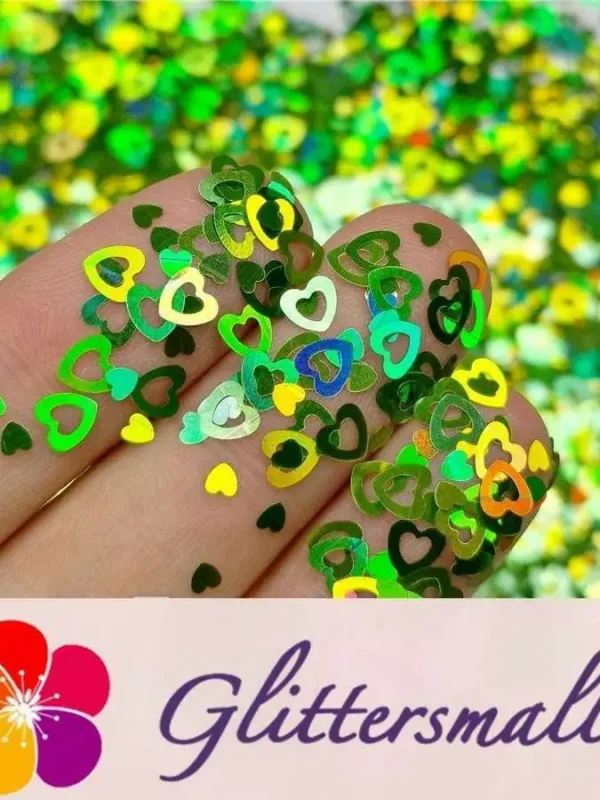
Price range: $2.99 through $63.99Select options This product has multiple variants. The options may be chosen on the product page4mm Holographic Green Hollow Out Heart Shaped Glitter LB0601
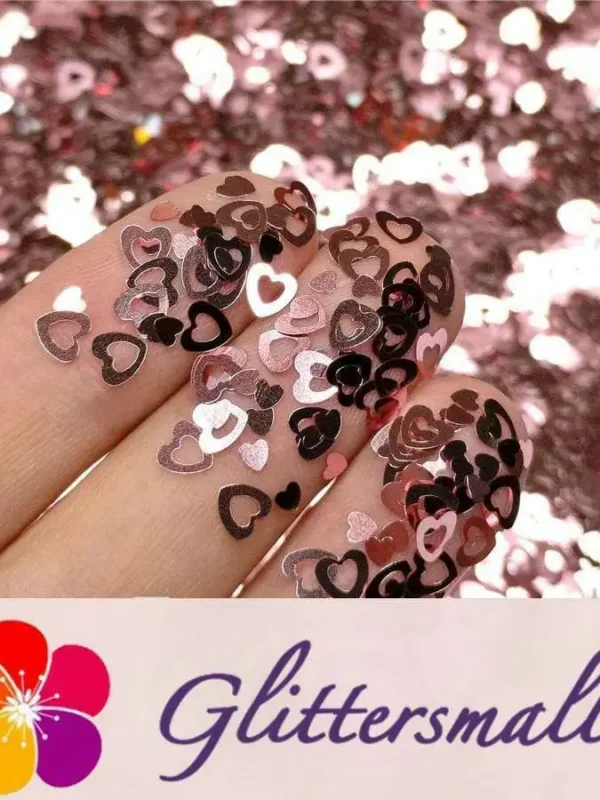
Price range: $2.99 through $63.99Select options This product has multiple variants. The options may be chosen on the product page4mm Holographic Pink Hollow Out Heart Shaped Glitter LB0901
Price range: $2.99 through $63.99Select options This product has multiple variants. The options may be chosen on the product page4mm Holographic Purple Hollow Out Heart Shaped Glitter LB0800
Price range: $2.99 through $63.99Select options This product has multiple variants. The options may be chosen on the product page4mm Holographic Red Hollow Out Heart Shaped Glitter LB0300
Price range: $2.99 through $63.99Select options This product has multiple variants. The options may be chosen on the product page4mm Holographic Silver Hollow Out Heart Shaped Glitter LB0100
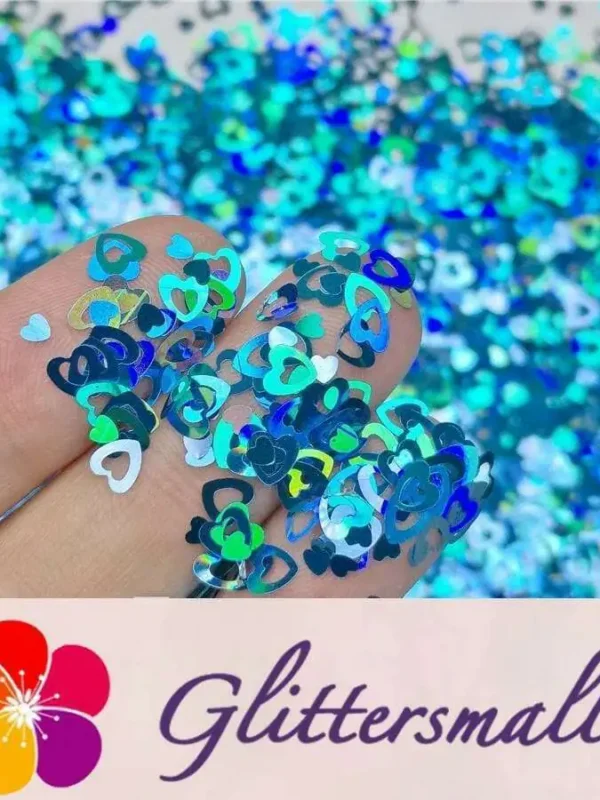
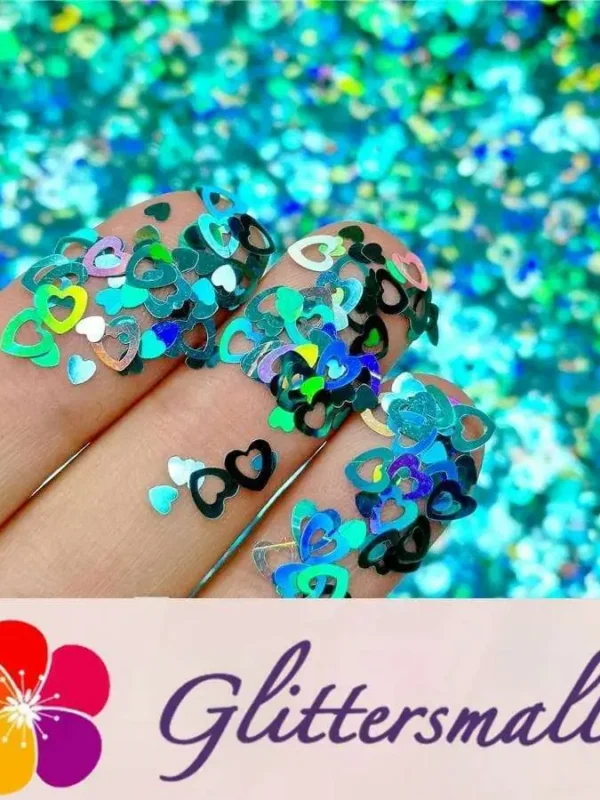
Price range: $2.99 through $63.99Select options This product has multiple variants. The options may be chosen on the product page4mm Holographic Sky Blue Hollow Out Heart Shaped Glitter LB0700
Price range: $2.99 through $63.99Select options This product has multiple variants. The options may be chosen on the product page4mm Holographic Teal Green Hollow Out Heart Shaped Glitter LB0702
Price range: $2.99 through $63.99Select options This product has multiple variants. The options may be chosen on the product page4mm Light Pink Hollow Out Heart Shaped Glitter B0920
Price range: $2.99 through $63.99Select options This product has multiple variants. The options may be chosen on the product pageCustom Mixed Deep Space Extra Fine Iridescent Glitter GEX021 (By Chris.e KC)
Price range: $2.99 through $67.99Select options This product has multiple variants. The options may be chosen on the product page
Category Overview
Tumbler glitter contains products whose information explicitly references tumbler use, providing a focused starting point for decorative cup and drinkware projects.
This page combines the product grid with practical buying guidance so you can compare relevant specifications before opening individual listings. Product availability, weights and variations can change, so use each product page as the final source for the selected option.
Applications and Best Uses
Tumbler Glitter can support several project types when the individual product details match the intended process:
- Full-coverage glitter tumblers using suitable adhesive and topcoat systems.
- Ombre and gradient designs that combine two or more colors.
- Chunky accent bands layered over a finer glitter base.
- Custom mixed blends used for coordinated names, decals and themed designs.
Glitter selection is only one part of a tumbler system. Surface preparation, adhesives, sealing, curing and any food-contact considerations depend on the other materials used.
How to Choose
Use the following checks to narrow the collection efficiently:
- Choose fine glitter for smoother broad coverage and chunky pieces for controlled accents.
- Estimate enough material to complete the entire project consistently.
- Check color and transparency over the tumbler’s base coat.
- Follow the resin, adhesive or topcoat manufacturer’s instructions and allow the required cure time.
Before a larger order, compare the selected variation, pack weight, product photography and stated application. A small test is useful whenever color, texture, equipment compatibility or final surface level is critical.
For repeat orders, save the product name, SKU, selected variation and project notes. This makes it easier to reproduce a result and identify whether a different size, finish or concentration would improve the next batch.
Product Comparison
| Type | Best For | Pros | Cons |
|---|---|---|---|
| Fine tumbler glitter | Smooth full coverage | Easier leveling | Less dimensional texture |
| Chunky tumbler glitter | Accent bands and focal areas | Strong sparkle | Requires more topcoat depth |
| Mixed-size blend | Multidimensional designs | Ready-made depth | Distribution can vary |
| Solid-color glitter | Controlled branded palettes | Consistent dominant hue | Less color movement |
Buyer FAQ
What should I check first when choosing tumbler glitter?
Start with the intended application, then confirm particle size or finished dimensions, material, color, effect and the selected pack option. The category helps narrow products, but the individual listing contains the details for the exact variation you order.
Can every product in tumbler glitter be used for cosmetics, paint or resin?
No. Category placement does not establish universal compatibility. Look for explicit cosmetic-grade, solvent-resistant or application-specific wording on the individual product page, and test the product with the actual base material when compatibility matters.
Why can the product look different from the photos?
Glitter, mica and transparent resin effects respond to lighting, viewing angle, concentration and background color. Screen settings can also change perceived color. Review multiple images where available and test a small amount over the intended base for a precise visual decision.
How do I estimate the quantity to order?
Use the project surface area or mold volume, the desired coverage and the product’s selected weight as starting points. Fine particles usually spread more densely, while chunky pieces and larger molds may require more material. Order a consistent batch for projects that must match.